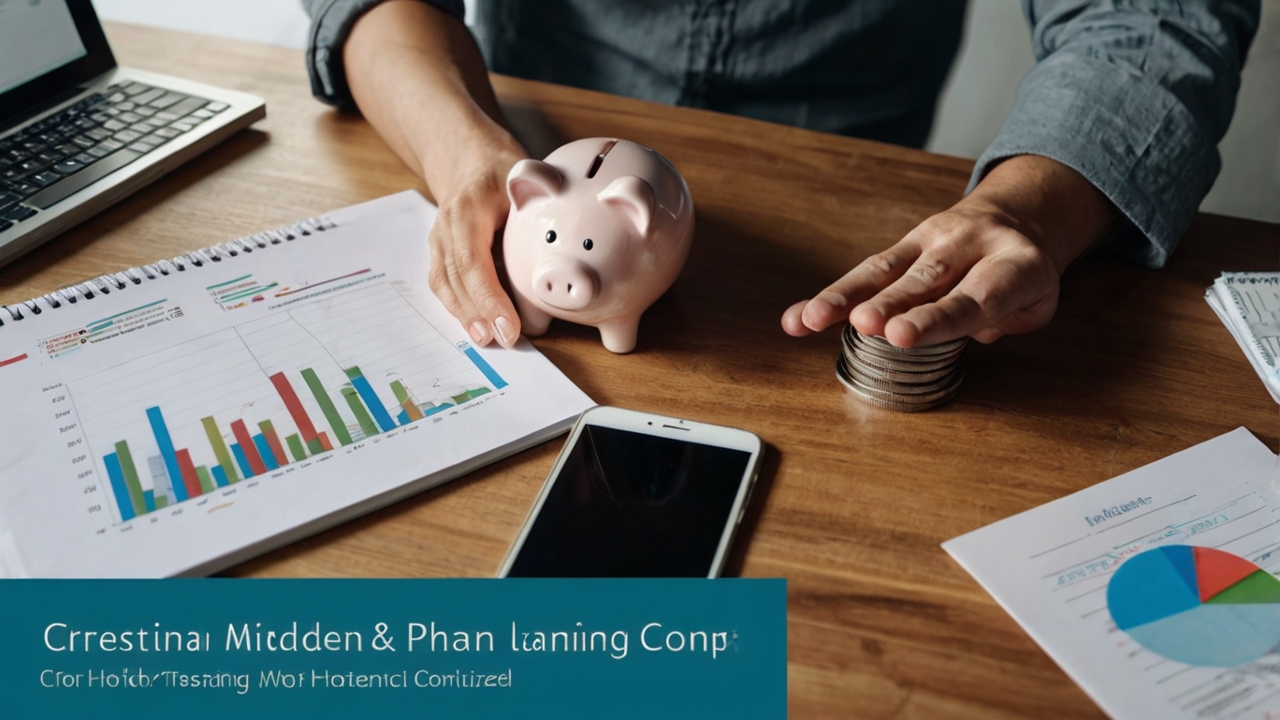
Introduction: Why Saving Matters for Young Professionals
Young professionals face unique challenges and opportunities. Saving at this stage is not a luxury but a necessity to build a stable financial future and achieve long-term goals. Saving allows young people to:
- Achieve financial independence.
- Buy a house or car.
- Start a business.
- Prepare for retirement.
- Cope with unexpected emergencies.
Chapter 1: Setting SMART Financial Goals
The first step towards effective saving is setting clear and measurable financial goals. Goals should be SMART:
- Specific: Define exactly what you want to achieve.
- Measurable: Set a benchmark to measure your progress.
- Achievable: Ensure the goal is realistic.
- Relevant: The goal should be important to you.
- Time-bound: Set a deadline for achieving the goal.
Example: Instead of saying "I want to save money," say "I want to save $10,000 to buy a used car within two years."
Chapter 2: Analyzing Income and Expenses
Before you start saving, you need to know where your money is going. Conduct a thorough analysis of your monthly income and expenses. Use a spreadsheet or app to track your spending. Divide expenses into:
- Fixed Expenses: Rent, utilities, loan payments.
- Variable Expenses: Food, entertainment, clothing.
- Discretionary Expenses: Subscriptions, hobbies, vacations.
Look for ways to reduce unnecessary expenses. Can you reduce your streaming subscriptions? Can you cook at home instead of eating out?
Chapter 3: Creating a Realistic Budget
Based on your income and expense analysis, create a monthly budget that determines how much you can allocate to saving. Follow these steps:
- Determine your net monthly income.
- Subtract fixed expenses.
- Allocate an amount for saving (this should be a priority).
- Allocate an amount for variable and discretionary expenses.
- Review the budget regularly and adjust as needed.
Tip: Use the 50/30/20 rule: 50% of your income for essential expenses, 30% for discretionary expenses, and 20% for saving and debt repayment.
Chapter 4: Effective Saving Strategies
There are many strategies you can use to increase your savings:
- Pay Yourself First: Before paying any bills or expenses, transfer the saving amount to your savings account.
- Automated Saving: Set up an automatic transfer from your checking account to your savings account at the beginning of each month.
- The 52-Week Challenge: Start by saving a small amount (like $1) in the first week, then gradually increase the amount each week.
- Round-Up Saving: Keep the spare change you get and deposit it into your savings account at the end of each month.
- Take Advantage of Cashback Offers and Loyalty Programs: Use credit cards that offer cashback rewards or sign up for loyalty programs to get discounts and rewards.
Chapter 5: Opening Savings and Investment Accounts
Look for savings accounts that offer competitive interest rates. Compare different banks and choose the account that suits your needs. You can also consider investing in low-risk investment vehicles such as:
- Fixed Deposits: Offer a guaranteed return on a specific amount for a specific period.
- Fixed Income Mutual Funds: Invest in bonds and other fixed-income securities, providing a relatively stable income.
- Exchange-Traded Funds (ETFs): Track the performance of a stock market index, providing instant diversification.
Warning: Consult a financial advisor before making any investment decisions.
Chapter 6: Debt Repayment
If you have debt, it is important to repay it as quickly as possible. Debt reduces your ability to save and increases financial stress. Focus on paying off high-interest debt first (such as credit card debt). You can use:
- The Snowball Method: Pay off the smallest debts first, regardless of interest rate, to achieve quick wins and increase motivation.
- The Avalanche Method: Pay off the highest-interest debts first, saving you money in the long run.
Chapter 7: Investing in Yourself
Investing in yourself is one of the best ways to increase your income and ability to save. Invest in:
- Education: Get a certificate or advanced degree.
- Training: Learn new skills or improve your existing skills.
- Professional Development: Attend conferences, seminars, and workshops.
- Reading: Read books and articles in your field.
Chapter 8: Avoiding Common Saving Mistakes
There are some common mistakes that young people make when saving:
- Lack of a Plan: Without a clear plan, it's easy to lose focus and fail to achieve your goals.
- Overspending: Spending more than you earn leads to debt and prevents you from saving.
- Postponing Saving: Believing that you will save later when you have more money.
- Uninformed Investing: Investing in investment vehicles you don't understand or that don't match your risk tolerance.
- Not Reviewing the Budget Regularly: The budget should be reviewed regularly and adjusted as needed.
Chapter 9: Building an Emergency Fund
An emergency fund is a savings account dedicated to covering unexpected expenses such as job loss, home repairs, or medical bills. The emergency fund should contain enough to cover 3-6 months of living expenses.
Chapter 10: Preparing for Retirement
Although retirement may seem far away, it is important to start planning for it early. Start saving in retirement plans offered by your employer or open an Individual Retirement Account (IRA). The earlier you start, the more you can take advantage of the power of compound interest.