Introduction to the World of Bitcoin
Bitcoin is a decentralized digital currency, meaning it is not controlled by any government or financial institution. It was created in 2009 by an unknown person or group under the name Satoshi Nakamoto. Bitcoin is based on blockchain technology, a public and distributed digital ledger of transactions.
Why Buy Bitcoin?
- Hedge Against Inflation: Some consider Bitcoin a store of value, like gold, and it can maintain or increase its value during times of inflation.
- Investment Diversification: Adding Bitcoin to your investment portfolio can help reduce risk and increase potential returns.
- International Payments: Bitcoin can be used to make international payments faster and cheaper than traditional methods.
- Decentralization: Bitcoin gives users greater control over their funds and avoids government censorship.
Step 1: Understanding the Risks and Rewards
Before buying Bitcoin, it's crucial to understand the risks and rewards associated with it. The cryptocurrency market is highly volatile, and you may lose a significant portion or all of your investment in a short period. On the other hand, Bitcoin can generate significant gains if its price increases.
Assessing Your Risk Tolerance
Determine how much you can afford to lose without impacting your financial situation. Do not invest money you need to cover basic living expenses or debts.
Research and Learn
Read as much as possible about Bitcoin and blockchain technology. Follow news and analysis from reliable sources. Use trading simulators to practice trading Bitcoin with virtual money before risking real money.
Step 2: Choosing a Reputable Trading Platform
There are many cryptocurrency trading platforms available, each with its own features, fees, and risks. Choose a reputable and well-established platform.
Examples of Trading Platforms
- Binance: A huge global platform offering a wide range of cryptocurrencies and trading options.
- Coinbase: An easy-to-use platform for beginners, with a strong focus on security.
- Kraken: Another reputable platform offering a variety of cryptocurrencies and advanced trading options.
- Rain: A licensed and regulated Arab platform in the Middle East, providing easy access to the cryptocurrency market.
Criteria for Choosing a Platform
- Security: Ensure the platform uses strong security measures to protect your funds and personal information.
- Fees: Compare the fees charged for trading, withdrawals, and deposits.
- Ease of Use: Choose a platform that is easy to use and has a simple interface, especially if you are a beginner.
- Available Cryptocurrencies: Make sure the platform supports trading Bitcoin and other cryptocurrencies you are interested in.
- Customer Support: Check the quality of customer support and how responsive they are to help requests.
Step 3: Creating and Securing Your Account
After choosing a trading platform, create a new account. Follow the instructions provided by the platform to submit the required information and verify your identity.
Know Your Customer (KYC)
Most platforms require Know Your Customer (KYC) verification to comply with anti-money laundering regulations. You may need to provide a copy of your ID card or passport and proof of your residential address.
Securing Your Account
- Strong Password: Use a strong and unique password consisting of a combination of upper and lower case letters, numbers, and symbols.
- Two-Factor Authentication (2FA): Enable two-factor authentication to add an extra layer of security to your account. 2FA requires entering a code sent to your phone or email in addition to your password.
- Avoid Sharing Your Information: Do not share your account information or passwords with anyone. Be wary of suspicious emails or text messages asking for your personal information.
Step 4: Funding Your Account
After creating and securing your account, you can fund it to buy Bitcoin. Most platforms offer a variety of payment methods, such as bank transfers, credit/debit cards, and other cryptocurrencies.
Popular Payment Methods
- Bank Transfers: A common way to fund accounts, but it may take a few days to process.
- Credit/Debit Cards: A quick and easy way to fund accounts, but it may charge higher fees.
- Other Cryptocurrencies: You can deposit other cryptocurrencies you own into your account and use them to buy Bitcoin.
Check Fees and Limits
Check the fees and limits imposed on each payment method before choosing the right one for you. Some platforms may charge higher fees for certain payment methods.
Step 5: Buying Bitcoin
Once your account is funded, you can buy Bitcoin. There are several ways to buy Bitcoin, including market orders and limit orders.
Market Orders
A market order allows you to buy Bitcoin at the current market price. This is the fastest and easiest option, but it may not guarantee you the best price.
Limit Orders
A limit order allows you to specify the price you want to buy Bitcoin at. The order will only be executed if the price of Bitcoin reaches the price you set. This option gives you more control over the price, but it may take longer to execute.
Practical Example
Suppose you want to buy 0.1 Bitcoin at the current market price. You can simply enter the desired amount in the "Market Order" field and click the "Buy" button. The order will be executed immediately at the current market price.
Step 6: Storing Bitcoin Safely
After buying Bitcoin, it is essential to store it safely to protect it from theft or loss. There are several ways to store Bitcoin, including hot wallets and cold wallets.
Hot Wallets
Hot wallets are wallets connected to the internet, making them easily accessible but also more vulnerable to hacking. Examples of hot wallets include web wallets, mobile wallets, and desktop wallets.
Cold Wallets
Cold wallets are wallets that are not connected to the internet, making them more secure but also less easily accessible. Examples of cold wallets include hardware wallets and paper wallets.
Best Practices for Storing Bitcoin
- Use a cold wallet to store large amounts of Bitcoin.
- Back up your private keys and keep them in a safe place.
- Do not share your private keys with anyone.
- Use a strong password to protect your wallet.
- Update your wallet software regularly.
Step 7: Risk Management and Diversification
Investing in Bitcoin involves risks, and it is important to manage these risks effectively. One way to do this is through diversification.
Investment Diversification
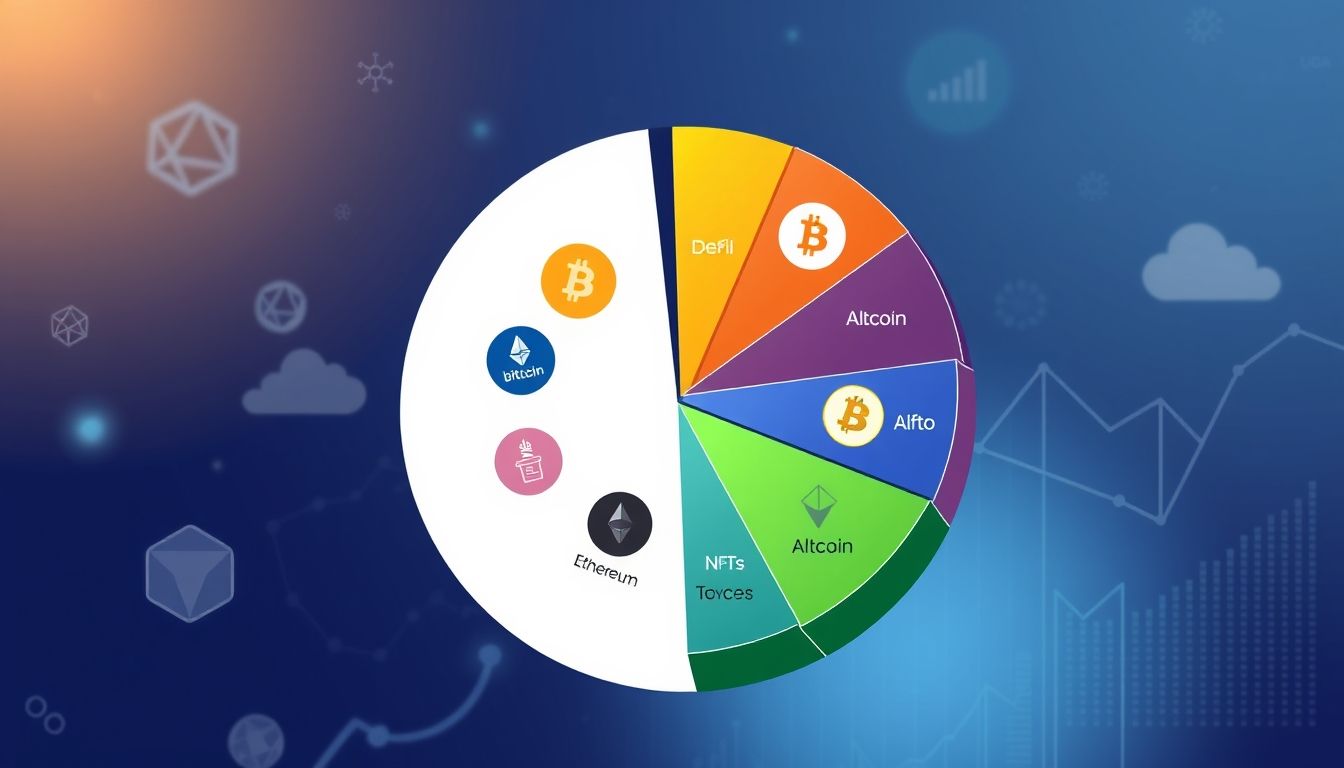
Do not put all your money in Bitcoin. Diversify your investment portfolio by investing in other assets, such as stocks, bonds, and real estate.
Setting Goals
Set clear goals for your Bitcoin investment. Are you investing for the long term or the short term? What return do you expect? Setting goals helps you make informed investment decisions.
Monitoring the Market
Monitor the cryptocurrency market regularly and stay informed about the latest news and analysis. This information can help you make informed decisions about buying or selling Bitcoin.
Step 8: Taxes and Regulations
Profits and losses from Bitcoin trading may be subject to taxes. It is important to understand local tax regulations and comply with them.
Consult a Tax Professional
If you are unsure how to report your profits and losses from Bitcoin trading, consult a tax professional.
Compliance with Regulations
Make sure you comply with all local regulations regarding cryptocurrency trading. These regulations may vary from country to country.
Step 9: Staying Informed
The cryptocurrency market is constantly evolving, and it is important to stay informed about the latest developments. Follow news and analysis from reliable sources, participate in online forums and communities, and attend conferences and seminars related to cryptocurrencies.
Reliable Information Sources
- Cryptocurrency news websites: CoinDesk, CoinTelegraph
- Blogs and analysis: Messari, The Block
- Online communities: Reddit (r/Bitcoin), BitcoinTalk
Step 10: Additional Tips for Beginners
Here are some additional tips that can help you on your journey into the world of Bitcoin:
- Start small: Do not invest more than you can afford to lose.
- Be patient: It may take time to see results from your investment.
- Do not give in to fear or greed: Make informed investment decisions based on research and analysis, not on emotions.
- Beware of scams: Be wary of offers that seem too good to be true.
- Enjoy the journey: Learn and explore the exciting world of cryptocurrencies.
Disclaimer: This article is for informational purposes only and does not constitute financial advice. Before making any investment decisions, consult a qualified financial advisor.