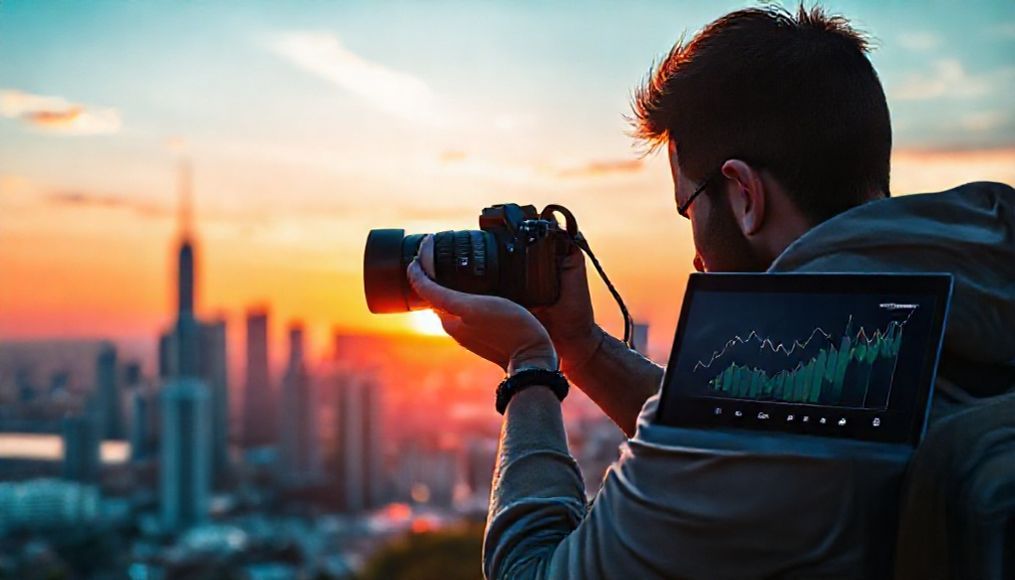
Introduction: Turning Passion into Profit through Photography
In today's digital world, photography has become more than just a hobby. It's a highly sought-after skill and a real opportunity to earn extra income or even build a successful business. With the proliferation of online photo selling platforms, photographers, regardless of their level of experience, can showcase and sell their work to a global audience. This article provides you with a comprehensive guide on how to leverage this opportunity to turn your passion for photography into a sustainable source of income.
Chapter 1: The Basics of Earning from Selling Photos Online
Before you start selling your photos, it's essential to understand the basics. This includes:
- Image Quality: Photos must be high quality, clear, and well-lit.
- Copyright: Make sure you own the full copyright to the photos you sell.
- Licensing: Understand the different types of licenses (e.g., commercial use, personal use) and how they affect the price of the photo.
- Target Audience: Identify the types of photos that buyers are looking for (e.g., nature photos, food photos, business photos).
Chapter 2: Types of Photos in Demand in the Market
The types of photos in demand vary depending on the platform and target audience. Some of the most popular types include:
- Nature and Landscape Photos: These photos are always in demand for use on travel websites, blogs, and marketing materials.
- Food and Beverage Photos: Used on restaurant websites, food blogs, and advertisements.
- People and Business Photos: Used on corporate websites, advertisements, and marketing materials.
- Concept Photos: Photos that embody abstract concepts such as success, happiness, and innovation.
- Abstract Photos: Used as backgrounds or design elements on websites and blogs.
Chapter 3: Choosing the Right Platform for Selling Photos
There are many platforms you can use to sell your photos, each with its advantages and disadvantages. Some popular options include:
- Stock Photography Sites: Such as Shutterstock, Adobe Stock, Getty Images. These sites have a large customer base but offer lower commissions to photographers.
- Direct Photo Selling Sites: Such as SmugMug, Fine Art America. These sites allow you to have full control over prices and branding, but you need to put more effort into marketing.
- E-commerce Sites: Such as Etsy, Shopify. You can create your own store and sell your photos as digital or printed products.
Chapter 4: Registering and Creating a Professional Profile
When registering on any platform, make sure to create a professional profile that highlights your skills and experience. This includes:
- Professional Profile Picture: A clear and appropriate photo.
- Brief Description About You: Highlight your skills and experience in photography.
- High-Quality Photo Gallery: Choose your best photos to display in your gallery.
- Relevant Keywords: Use keywords relevant to your photography field to help buyers find you.
Chapter 5: Optimizing Photos to Increase Sales
Optimizing photos before uploading them to platforms is crucial. This includes:
- Adjusting Colors and Lighting: Use photo editing software such as Adobe Photoshop or Lightroom to improve colors and lighting.
- Removing Imperfections: Remove any imperfections or noise in the photo.
- Resizing the Image: Make sure the image size is appropriate for the platform you are using.
- Adding a Watermark: To protect your copyright.
Chapter 6: Effective Pricing Strategies
Setting an appropriate price for your photos is key to success. Consider:
- Production Cost: Consider the cost of equipment, software, and time spent capturing and editing the photos.
- Competitor Prices: Research prices of similar photos on other platforms.
- Image Quality: High-quality photos deserve a higher price.
- License Type: Commercial use licenses are usually more expensive than personal use licenses.
Chapter 7: Marketing Your Photos and Increasing Visibility
Marketing your photos is essential to attract buyers and increase sales. Some effective strategies include:
- Using Social Media: Share your photos on platforms like Instagram, Facebook, Twitter.
- Creating a Blog: Share photography tips and stories about your photos.
- Participating in Photography Communities: Interact with other photographers and share your work.
- Search Engine Optimization (SEO): Use relevant keywords in your photo titles and descriptions.
- Paid Advertising: Use paid advertising on social media or search engines to reach a wider audience.
Chapter 8: Building Relationships with Customers
Building strong relationships with customers can lead to repeat sales and recommendations. Be:
- Responsive: Answer customer questions quickly and professionally.
- Helpful: Provide valuable tips and information to customers.
- Friendly: Be friendly and polite in your dealings with customers.
- Offer Special Deals: Offer special deals to regular customers.
Chapter 9: Common Mistakes to Avoid
There are some common mistakes that photographers make when selling their photos online. Avoid these mistakes to increase your chances of success:
- Not Paying Attention to Image Quality: Low-quality photos will not attract buyers.
- Violating Copyright: Selling photos you don't own the rights to can lead to legal problems.
- Not Marketing Your Photos: If you don't market your photos, buyers won't find them.
- Not Updating the Photo Gallery: Keep your photo gallery updated with your latest work.
- Not Listening to Customers: Listen to customer feedback and try to improve your work.
Chapter 10: Advanced Tips for Generating More Revenue
After mastering the basics, you can start applying some advanced tips to increase your profits:
- Specialize in a Specific Field: Specializing in a specific field can make you an expert in that field and increase the value of your photos.
- Create a Portfolio: Creating a comprehensive portfolio can attract buyers looking for consistent photos.
- Sell Printed Products: Sell your photos as printed products such as paintings, posters, and cards.
- Offer Photography Services: Offer photography services to companies and individuals.
- Collaborate with Other Photographers: Collaborating with other photographers can help you reach a wider audience.
In conclusion: Earning money by selling photos online is possible for everyone, but it requires effort, dedication, and a clear strategy. By following the tips and guidelines in this article, you can turn your passion for photography into a sustainable source of income and achieve success in this exciting field.