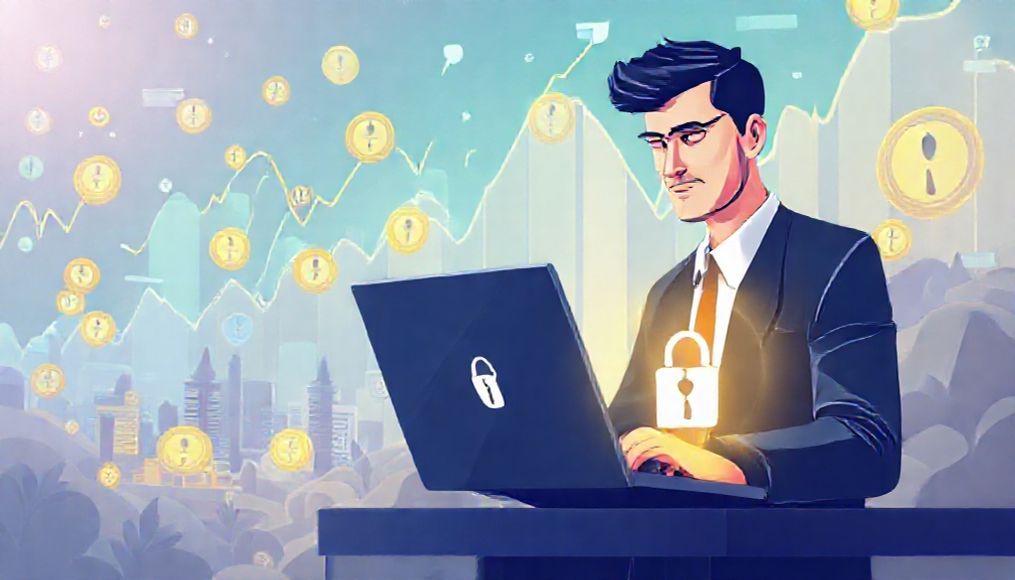
مقدمة إلى الاستثمار الآمن في العملات الرقمية
شهدت العملات الرقمية نموًا هائلاً في السنوات الأخيرة، مما جذب المستثمرين من جميع أنحاء العالم. ومع ذلك، فإن هذا السوق المتقلب يحمل مخاطر كبيرة، بما في ذلك الاحتيال والقرصنة وتقلبات الأسعار الشديدة. يهدف هذا الدليل إلى تزويدك بالمعرفة والأدوات اللازمة للاستثمار في العملات الرقمية بأمان وفعالية.
الفصل الأول: فهم أساسيات العملات الرقمية
ما هي العملات الرقمية؟
العملات الرقمية هي أصول رقمية أو افتراضية تستخدم التشفير لتأمين المعاملات والتحكم في إنشاء وحدات جديدة. أشهرها هي البيتكوين، ولكن هناك الآلاف من العملات الرقمية الأخرى.
كيف تعمل تقنية البلوك تشين؟
تعمل معظم العملات الرقمية على تقنية البلوك تشين، وهي سجل رقمي لامركزي وموزع يسجل جميع المعاملات بشكل آمن وشفاف. هذا يجعل من الصعب تزوير المعاملات أو التلاعب بها.
أنواع العملات الرقمية:
- العملات المشفرة (Cryptocurrencies): مثل البيتكوين والإيثيريوم، تهدف إلى أن تكون بدائل للعملات التقليدية.
- الرموز المميزة (Tokens): تمثل أصولًا أو حقوقًا أخرى، وغالبًا ما تستخدم في مشاريع البلوك تشين.
- العملات المستقرة (Stablecoins): مصممة للحفاظ على قيمة ثابتة مرتبطة بعملة تقليدية أو سلعة أخرى.
الفصل الثاني: تقييم المخاطر قبل الاستثمار
تحديد أهدافك الاستثمارية
قبل البدء في الاستثمار، حدد أهدافك بوضوح. هل تسعى إلى تحقيق مكاسب قصيرة الأجل أم نمو طويل الأجل؟ ما هو مستوى المخاطرة الذي تتحمله؟
تقييم مدى تحملك للمخاطر
الاستثمار في العملات الرقمية يعتبر عالي المخاطر. قيم قدرتك على تحمل الخسائر المحتملة وتجنب استثمار الأموال التي لا يمكنك تحمل خسارتها.
فهم تقلبات السوق
أسعار العملات الرقمية يمكن أن تتقلب بشكل كبير في فترة قصيرة. كن مستعدًا لهذه التقلبات وقم بتطوير استراتيجية للتعامل معها.
الفصل الثالث: اختيار منصات التداول الآمنة
أهمية اختيار منصة موثوقة
اختيار منصة تداول موثوقة أمر بالغ الأهمية لحماية أموالك وبياناتك الشخصية. ابحث عن منصات ذات سمعة جيدة وتاريخ حافل بالأمان.
معايير اختيار منصة التداول:
- الأمان: تحقق من وجود تدابير أمنية قوية، مثل المصادقة الثنائية والتشفير.
- الرسوم: قارن الرسوم بين المنصات المختلفة واختر المنصة التي تقدم أفضل قيمة.
- السيولة: تأكد من أن المنصة لديها سيولة كافية لتنفيذ الصفقات بسرعة وفعالية.
- دعم العملاء: اختر منصة تقدم دعمًا جيدًا للعملاء في حالة وجود أي مشاكل.
- التنظيم: تفضل المنصات المنظمة والمرخصة من قبل الهيئات الرقابية.
أمثلة على منصات تداول موثوقة:
Binance, Coinbase, Kraken هي أمثلة على منصات تداول عملات رقمية تحظى بشعبية واسعة وتعتبر موثوقة نسبياً.
الفصل الرابع: تأمين حسابك وحماية بياناتك
تفعيل المصادقة الثنائية (2FA)
تعتبر المصادقة الثنائية طبقة أمان إضافية تطلب منك إدخال رمز من جهازك المحمول بالإضافة إلى كلمة المرور عند تسجيل الدخول.
استخدام كلمات مرور قوية وفريدة
تجنب استخدام كلمات مرور سهلة التخمين واستخدم كلمات مرور قوية تتكون من مزيج من الأحرف الكبيرة والصغيرة والأرقام والرموز.
تخزين العملات الرقمية بأمان
هناك طريقتان رئيسيتان لتخزين العملات الرقمية: محافظ ساخنة (متصلة بالإنترنت) ومحافظ باردة (غير متصلة بالإنترنت). المحافظ الباردة أكثر أمانًا للتخزين طويل الأجل.
كن حذرًا من رسائل التصيد الاحتيالي
تجنب النقر على الروابط المشبوهة أو إعطاء معلوماتك الشخصية لأي شخص عبر الإنترنت. كن حذرًا من رسائل البريد الإلكتروني أو الرسائل النصية التي تطلب منك معلومات حساسة.
الفصل الخامس: استراتيجيات إدارة المخاطر الفعالة
التنويع
لا تستثمر كل أموالك في عملة رقمية واحدة. قم بتنويع محفظتك الاستثمارية لتوزيع المخاطر.
تحديد أوامر وقف الخسارة (Stop-Loss Orders)
تساعدك أوامر وقف الخسارة على الحد من خسائرك المحتملة عن طريق بيع العملة الرقمية تلقائيًا إذا انخفض سعرها إلى مستوى معين.
الاستثمار على المدى الطويل
الاستثمار على المدى الطويل يمكن أن يساعدك على تجاوز تقلبات السوق وتحقيق عوائد أفضل بمرور الوقت.
تجنب الاستثمار العاطفي
اتخذ قرارات استثمارية عقلانية بناءً على البحث والتحليل، وليس بناءً على العواطف أو الخوف أو الجشع.
الفصل السادس: تجنب عمليات الاحتيال الشائعة
مخططات بونزي (Ponzi Schemes)
هي عمليات احتيال تعد بعوائد عالية بشكل غير واقعي وتعتمد على جذب مستثمرين جدد لدفع العوائد للمستثمرين القدامى.
عروض العملات الأولية الاحتيالية (ICO Scams)
هي مشاريع عملات رقمية جديدة تبدو واعدة ولكنها في الواقع عمليات احتيال تهدف إلى جمع الأموال والهروب بها.
رسائل التصيد الاحتيالي
هي رسائل بريد إلكتروني أو رسائل نصية تبدو وكأنها من مصادر موثوقة ولكنها تهدف إلى سرقة معلوماتك الشخصية أو أموالك.
مضخات وتفريغ (Pump and Dump)
هي عمليات احتيال يتم فيها تضخيم سعر عملة رقمية بشكل مصطنع ثم بيعها لتحقيق أرباح كبيرة قبل أن ينهار السعر.
الفصل السابع: فهم الضرائب واللوائح القانونية
الضرائب على العملات الرقمية
تخضع الأرباح والخسائر الناتجة عن تداول العملات الرقمية للضرائب في معظم البلدان. استشر خبيرًا ضريبيًا لفهم التزاماتك الضريبية.
اللوائح القانونية المتغيرة
تتغير اللوائح القانونية المتعلقة بالعملات الرقمية باستمرار. ابق على اطلاع دائم بالتغييرات القانونية في بلدك.
الفصل الثامن: أدوات وموارد مفيدة للمستثمرين
مواقع تتبع الأسعار
CoinMarketCap و CoinGecko هما موقعان شهيران لتتبع أسعار العملات الرقمية وحجم التداول ومعلومات السوق الأخرى.
أدوات التحليل الفني
TradingView هي منصة شائعة للتحليل الفني تساعدك على تحليل الرسوم البيانية للأسعار وتحديد الاتجاهات.
مصادر الأخبار والمعلومات
CoinDesk و CryptoSlate هما موقعان إخباريان موثوقان يقدمان تغطية شاملة لسوق العملات الرقمية.
الفصل التاسع: أمثلة عملية من السوق العربي والعالمي
قصص نجاح
هناك العديد من قصص النجاح لأفراد استثمروا في العملات الرقمية وحققوا أرباحًا كبيرة. ومع ذلك، من المهم أن تتذكر أن هذه القصص ليست نموذجًا مضمونًا للنجاح.
حالات احتيال
هناك أيضًا العديد من الحالات التي تعرض فيها المستثمرون للاحتيال وخسروا أموالهم. تعلم من هذه الحالات لتجنب الوقوع ضحية لعمليات الاحتيال.
التأثير على الاقتصاد المحلي
تتزايد أهمية العملات الرقمية في بعض الاقتصادات العربية، خاصة في ظل التحديات الاقتصادية والمالية. ومع ذلك، لا تزال هناك تحديات تنظيمية وقانونية تواجه تبنيها على نطاق واسع.
الفصل العاشر: نصائح عملية للمستثمرين الجدد
ابدأ بمبلغ صغير
لا تستثمر أكثر مما يمكنك تحمل خسارته. ابدأ بمبلغ صغير واكتسب الخبرة قبل استثمار المزيد من الأموال.
تعلم باستمرار
سوق العملات الرقمية يتغير باستمرار. ابق على اطلاع دائم بالتطورات الجديدة وتعلم باستمرار.
كن صبورًا
الاستثمار في العملات الرقمية يتطلب الصبر. لا تتوقع تحقيق أرباح سريعة. ركز على الاستثمار على المدى الطويل.
استشر خبيرًا ماليًا
إذا كنت غير متأكد من كيفية الاستثمار في العملات الرقمية، فاستشر خبيرًا ماليًا للحصول على المشورة المهنية.
إخلاء المسؤولية: هذا المقال لأغراض إعلامية فقط ولا يشكل نصيحة مالية. الاستثمار في العملات الرقمية ينطوي على مخاطر عالية وقد يؤدي إلى خسارة الأموال.