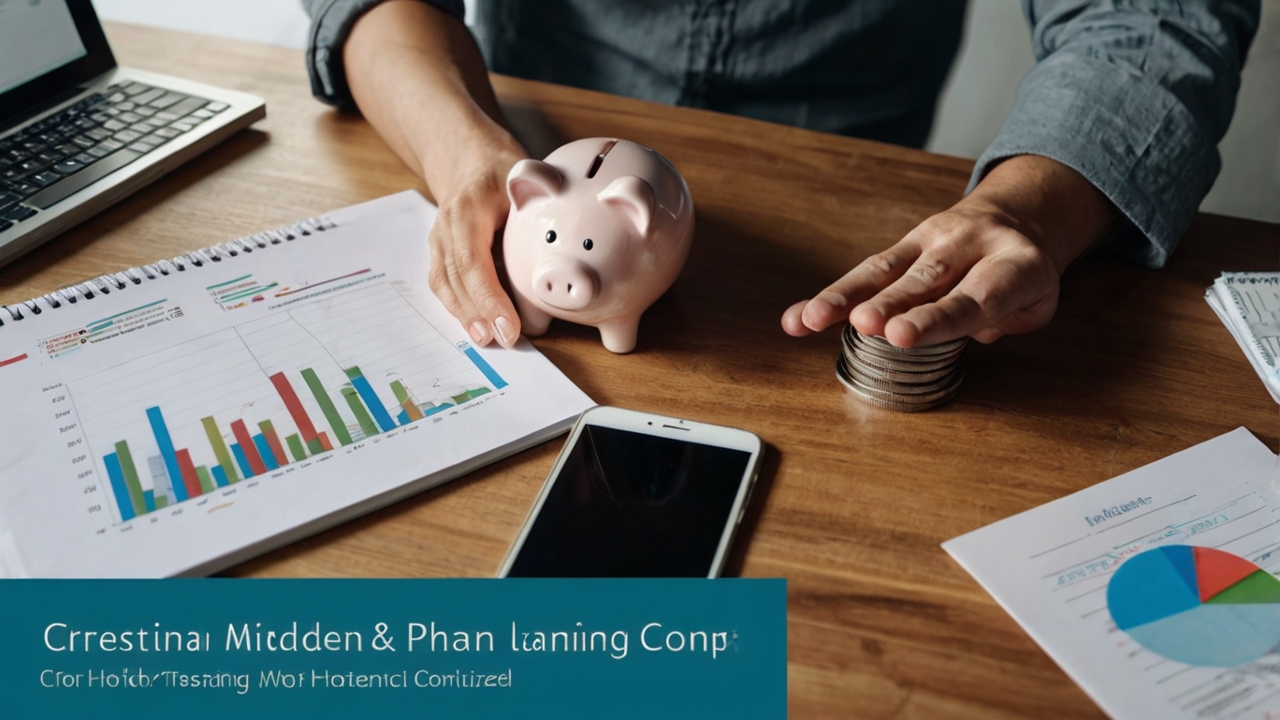
Introduction
Irregular income is a source of concern for many individuals, affecting their ability to plan financially and invest. In this article, we will provide you with strategies and techniques to achieve financial stability with irregular income.
Chapter One: Understanding Irregular Income
Irregular income is income that does not come regularly, such as freelance income or business income. This type of income can affect an individual's ability to save and invest.
Causes of Irregular Income
- Freelance work
- Business
- Changes in the job market
Chapter Two: Saving Strategies
There are several strategies that can be used to achieve saving with irregular income. Some of these strategies include:
- Creating a budget
- Allocating a percentage of income for saving
- Using saving tools such as savings accounts
Saving Budget
A budget is a financial plan that determines expenses and income. A budget can be used to determine the percentage of income that will be allocated for saving.
Chapter Three: Saving Techniques
There are several techniques that can be used to achieve saving with irregular income. Some of these techniques include:
- Automatic saving
- Using saving apps
- Saving with bonds
Automatic Saving
Automatic saving is a technique where a percentage of income is automatically transferred to a savings account.
Chapter Four: Investing
Investing is one of the ways to achieve a return on saved money. Investing can be done in stocks, bonds, or other assets.
Types of Investments
- Stocks
- Bonds
- Gold
Chapter Five: Risk Management
Risk management is one of the important aspects of saving and investing. Risk can be managed by:
- Diversifying investments
- Using risk management tools
- Monitoring financial markets
Diversifying Investments
Diversifying investments is a technique where investments are spread across several assets to achieve diversification.
Chapter Six: Financial Planning
Financial planning is one of the important aspects of saving and investing. Financial planning can be done by:
- Setting financial goals
- Analyzing financial situation
- Creating a financial plan
Setting Financial Goals
Setting financial goals is the first step in financial planning. Financial goals can be set such as saving for a house or investing in bonds.
Chapter Seven: Saving Tools
There are several saving tools that can be used to achieve saving with irregular income. Some of these tools include:
- Savings accounts
- Certificates of deposit
- Bonds
Savings Accounts
Savings accounts are one of the types of accounts that can be used for saving.
Chapter Eight: Practical Tips
There are several practical tips that can be used to achieve saving with irregular income. Some of these tips include:
- Starting to save early
- Allocating a percentage of income for saving
- Using saving tools
Starting to Save Early
Starting to save early is one of the practical tips for achieving saving with irregular income.
Chapter Nine: Saving Challenges
There are several challenges that can be faced when saving with irregular income. Some of these challenges include:
- Changes in income
- Unexpected expenses
- Financial consumption
Changes in Income
Changes in income are one of the challenges that can be faced when saving with irregular income.
Chapter Ten: Conclusion
Saving with irregular income can be a challenge, but there are several strategies and techniques that can be used to achieve saving. Using a budget, automatic saving, and investing can help manage risk and achieve saving.