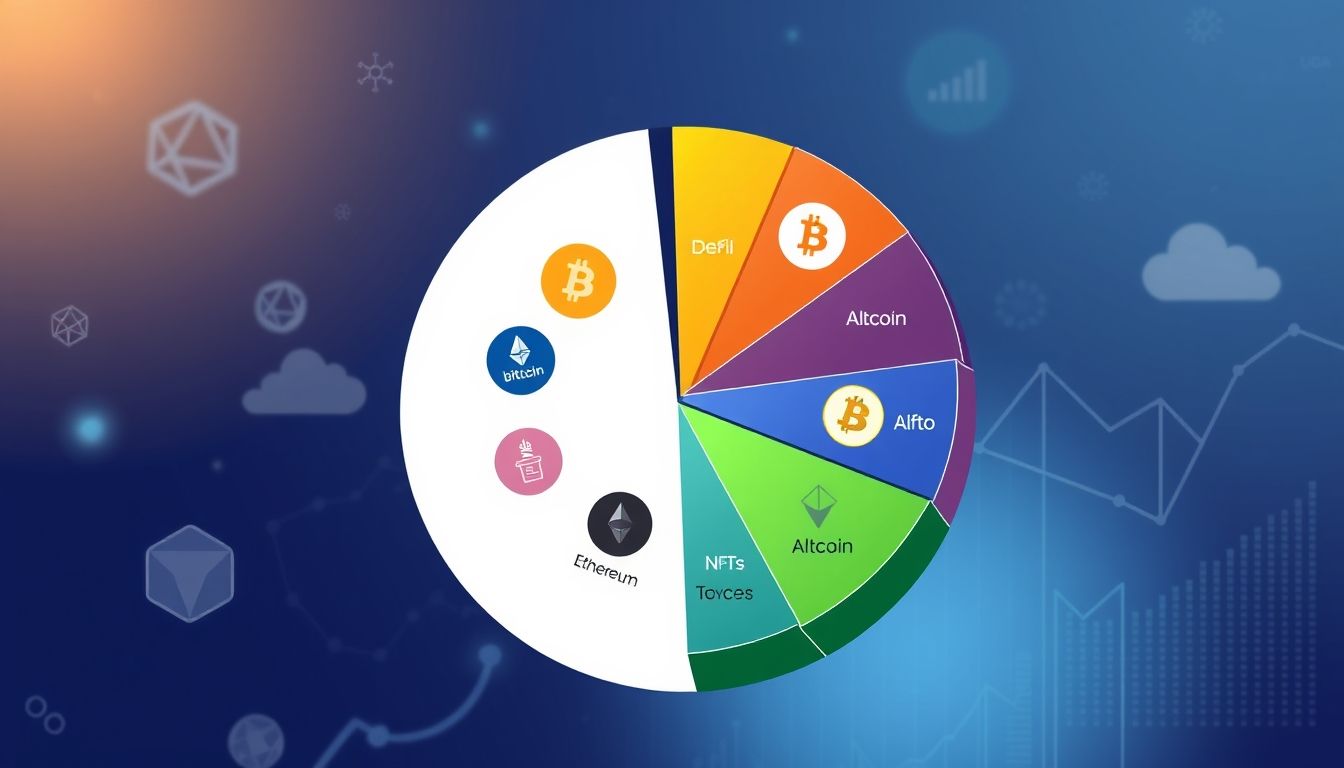
Cryptocurrency: The Gateway to Web 3.0 and Decentralized Internet
The world is undergoing a radical transformation in how it interacts with the internet and the economy, driven by cryptocurrencies, Web 3.0 technologies, and the decentralized internet. These technologies are not just fleeting trends; they are a true revolution redefining concepts of ownership, privacy, data control, and access to financial services.
Chapter 1: Introduction to Cryptocurrencies
Cryptocurrencies are digital assets designed to function as a medium of exchange, using cryptography to secure transactions and control the creation of new units. Cryptocurrencies differ from traditional (fiat) currencies issued by governments, as they rely on blockchain technology, a decentralized and secure digital ledger.
- Bitcoin: The first and most well-known decentralized cryptocurrency.
- Ethereum: A blockchain platform that supports smart contracts and decentralized applications (DApps).
- Stablecoins: Cryptocurrencies designed to maintain a stable value, often by pegging to a fiat currency like the US dollar.
Chapter 2: Web 3.0: The Next Generation of the Internet
Web 3.0 is the next generation of the internet, characterized by decentralization, artificial intelligence, and augmented and virtual reality. Web 3.0 aims to empower users and give them more control over their data and digital identity.
Key Features of Web 3.0:
- Decentralization: Distributing power and control among users instead of being monopolized by large corporations.
- Artificial Intelligence: Using AI to improve user experience and provide personalized services.
- Augmented and Virtual Reality: Integrating the digital world with the real world through AR and VR technologies.
- Open Data: Allowing users to control their data and share it securely and transparently.
Chapter 3: Decentralized Internet: A New Infrastructure
The decentralized internet is an alternative infrastructure to the traditional internet, based on blockchain technologies and peer-to-peer (P2P) networks to distribute data and services. The decentralized internet aims to resist censorship, protect privacy, and ensure freedom of expression.
Key Components of the Decentralized Internet:
- Blockchain Protocols: Providing decentralized and secure digital ledgers for storing data and transactions.
- Peer-to-Peer (P2P) Networks: Enabling users to share data and services directly without the need for intermediaries.
- Decentralized Applications (DApps): Applications that run on blockchain networks and provide various services such as decentralized finance (DeFi) and decentralized storage.
Chapter 4: The Role of Cryptocurrencies in Web 3.0
Cryptocurrencies play a vital role in the development of Web 3.0, providing a secure and transparent means of conducting transactions, funding projects, and rewarding users for their contributions.
Examples of Cryptocurrency Uses in Web 3.0:
- Decentralized Finance (DeFi): Providing financial services such as lending, borrowing, and trading without the need for traditional intermediaries.
- Non-Fungible Tokens (NFTs): Representing digital ownership of unique assets such as artwork, collectibles, and virtual land.
- Decentralized Autonomous Organizations (DAOs): Organizations managed by smart contracts that allow participants to vote on decisions.
Chapter 5: Decentralized Finance (DeFi): The Future of Finance
Decentralized Finance (DeFi) is an alternative financial system that relies on blockchain technologies and smart contracts to provide financial services without the need for traditional intermediaries such as banks and financial institutions.
Benefits of Decentralized Finance:
- Inclusive Access: Providing financial services to individuals and businesses worldwide, regardless of their geographic location or creditworthiness.
- Transparency: Recording all transactions on the blockchain, providing full transparency and auditability.
- Efficiency: Reducing the costs and time required to conduct financial transactions.
- Innovation: Encouraging innovation in the field of financial services through the development of new applications and smart contracts.
Chapter 6: Non-Fungible Tokens (NFTs): The Digital Ownership Revolution
Non-Fungible Tokens (NFTs) are unique digital assets that represent ownership of a unique digital item or content, such as artwork, music, collectibles, and virtual land. These tokens are recorded on the blockchain, ensuring their authenticity and ownership.
Uses of Non-Fungible Tokens:
- Digital Art: Enabling artists to sell their works directly to the public and receive ongoing royalties.
- Music: Giving artists greater rights in their musical works and enabling them to connect directly with their audience.
- Gaming: Enabling players to own in-game assets and sell or trade them.
- Virtual Real Estate: Buying and selling land and properties in virtual worlds.
Chapter 7: Decentralized Autonomous Organizations (DAOs): The Future of Organization
Decentralized Autonomous Organizations (DAOs) are organizations managed by smart contracts that allow participants to vote on decisions and execute them automatically. DAOs aim to create more transparent, democratic, and efficient organizations.
Benefits of Decentralized Autonomous Organizations:
- Transparency: Recording all decisions and transactions on the blockchain, providing full transparency and auditability.
- Democracy: Enabling participants to vote on decisions and influence the direction of the organization.
- Efficiency: Automating processes and reducing administrative costs.
- Decentralization: Distributing power and control among participants instead of being monopolized by a small group of individuals.
Chapter 8: Challenges and Risks
Despite the enormous potential of cryptocurrencies, Web 3.0, and the decentralized internet, they also face many challenges and risks:
- Price Volatility: Cryptocurrencies can be highly volatile, making them a risky investment.
- Security: Blockchain networks can be vulnerable to cyberattacks and hacks.
- Regulation: Regulatory frameworks related to cryptocurrencies and Web 3.0 are still unclear in many countries.
- Adoption: Public adoption of cryptocurrencies and Web 3.0 is still limited.
Chapter 9: Investment Opportunities in Cryptocurrencies and Web 3.0
Cryptocurrencies and Web 3.0 offer promising investment opportunities for investors looking for growth and innovation:
- Investing in Cryptocurrencies: Buying promising cryptocurrencies and holding them for the long term.
- Investing in Web 3.0 Companies: Investing in startups that are developing Web 3.0 applications and services.
- Participating in Decentralized Finance (DeFi): Providing liquidity and earning yields on DeFi platforms.
- Buying Non-Fungible Tokens (NFTs): Buying and selling valuable non-fungible tokens.
Chapter 10: The Future of Cryptocurrencies and Web 3.0
Cryptocurrencies and Web 3.0 are expected to continue to grow and evolve in the coming years, leading to radical changes in how we interact with the internet and the economy. These technologies will play a crucial role in shaping the future of finance, commerce, communication, and entertainment.
Tips for Investors:
- Do Your Own Research: Before investing in any cryptocurrency or Web 3.0 project, be sure to do your own research and understand the potential risks and rewards.
- Diversify Your Investment Portfolio: Don't put all your money into one cryptocurrency or one Web 3.0 project.
- Be Wary of Scams: There are many scams in the world of cryptocurrencies and Web 3.0, so be careful and avoid projects that seem too good to be true.
- Stay Informed: The world of cryptocurrencies and Web 3.0 is constantly changing, so stay up-to-date with the latest developments and trends.
Disclaimer: This article is for informational purposes only and should not be considered financial advice. Consult a financial advisor before making any investment decisions.