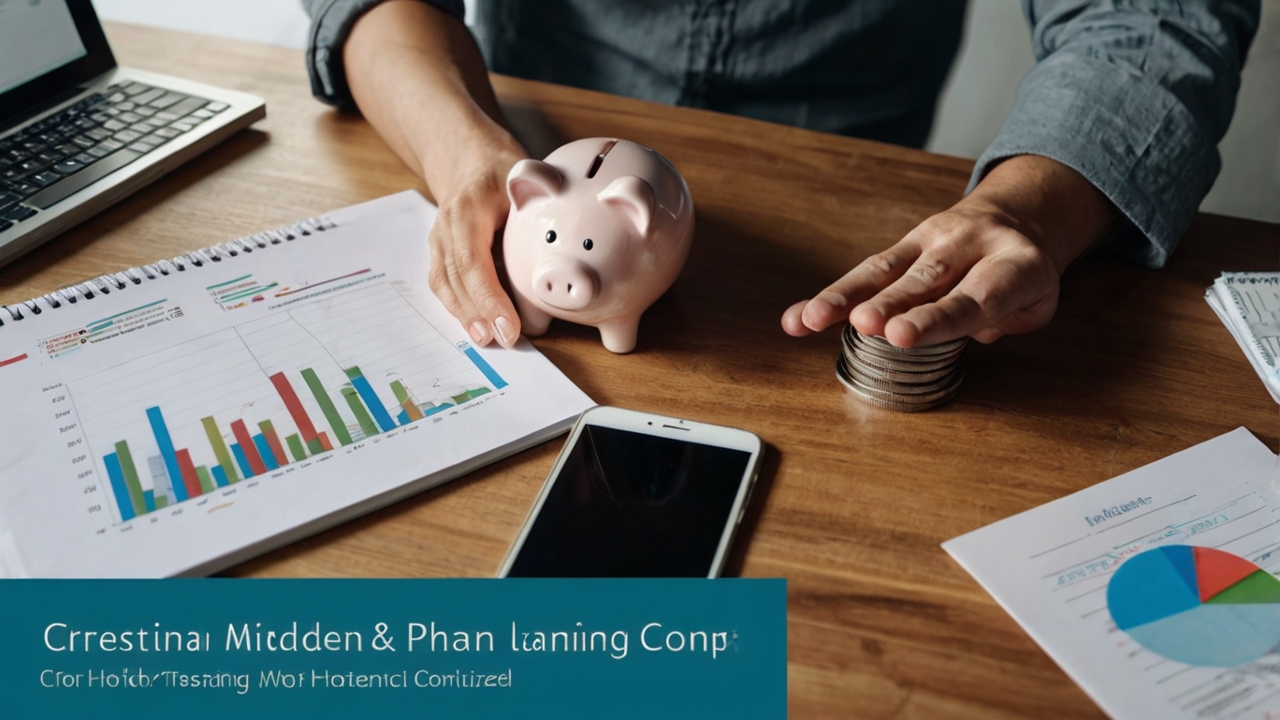
Introduction
Teaching children money management from a young age is essential for their financial future. In this article, we will provide a comprehensive guide for parents on how to teach children money management skills.
Chapter One: The Importance of Saving for Children
Saving is the foundation of good money management. Children should learn the value of money and the importance of saving. Parents can encourage children to save by providing them with a piggy bank or a savings account.
Using a Piggy Bank or Savings Account
Children can put a portion of their monthly allowance into the piggy bank or savings account, which teaches them the value of saving and helps them develop good financial habits.
Chapter Two: Teaching Children to Manage Expenses
Managing expenses is an important aspect of money management. Children should learn how to prioritize and manage their expenses. Parents can help children create a list of essential and non-essential expenses.
Estimating Expenses
Children can learn to estimate expenses by analyzing their monthly allowance and prioritizing essential expenses first.
Chapter Three: Teaching Children to Invest
Investing is an important aspect of money management. Children should learn how to invest wisely. Parents can encourage children to invest in bonds or stocks.
Investing in Bonds or Stocks
Children can learn to invest in bonds or stocks by analyzing the market and choosing the right investments. Parents should help children understand the risks and benefits associated with investing.
Chapter Four: Teaching Children to Manage Debt
Managing debt is an important aspect of money management. Children should learn how to manage debt wisely. Parents can encourage children to pay off debts on time.
Paying Off Debts
Children can learn to pay off debts by analyzing their monthly budget and prioritizing essential expenses. Parents should help children understand the importance of paying off debts on time.
Chapter Five: Teaching Children to Manage Risk
Managing risk is an important aspect of money management. Children should learn how to manage risk wisely. Parents can encourage children to analyze risks and benefits associated with investing.
Analyzing Risks and Benefits
Children can learn to analyze risks and benefits by studying the market and choosing the right investments. Parents should help children understand the risks and benefits associated with investing.
Chapter Six: Teaching Children to Manage Time
Managing time is an important aspect of money management. Children should learn how to manage time wisely. Parents can encourage children to prioritize tasks and manage their time effectively.
Managing Time
Children can learn to manage time by analyzing their daily schedule and prioritizing tasks. Parents should help children understand the importance of time management in money management.
Chapter Seven: Teaching Children to Manage Resources
Managing resources is an important aspect of money management. Children should learn how to manage resources wisely. Parents can encourage children to analyze resources and prioritize needs.
Managing Resources
Children can learn to manage resources by analyzing their monthly budget and prioritizing essential expenses. Parents should help children understand the importance of resource management in money management.
Chapter Eight: Teaching Children to Manage Waste
Managing waste is an important aspect of money management. Children should learn how to manage waste wisely. Parents can encourage children to analyze expenses and reduce waste.
Managing Waste
Children can learn to manage waste by analyzing their monthly budget and reducing unnecessary expenses. Parents should help children understand the importance of waste management in money management.
Chapter Nine: Teaching Children to Manage Income
Managing income is an important aspect of money management. Children should learn how to manage income wisely. Parents can encourage children to analyze income and prioritize expenses.
Managing Income
Children can learn to manage income by analyzing their monthly budget and prioritizing essential expenses. Parents should help children understand the importance of income management in money management.
Chapter Ten: Conclusion
Teaching children money management from a young age is crucial for their financial future. Parents should encourage children to learn money management skills and provide them with the necessary tools and resources.
| Chapter | Topic |
|---|---|
| Chapter One | The Importance of Saving for Children |
| Chapter Two | Teaching Children to Manage Expenses |
| Chapter Three | Teaching Children to Invest |
| Chapter Four | Teaching Children to Manage Debt |
| Chapter Five | Teaching Children to Manage Risk |
| Chapter Six | Teaching Children to Manage Time |
| Chapter Seven | Teaching Children to Manage Resources |
| Chapter Eight | Teaching Children to Manage Waste |
| Chapter Nine | Teaching Children to Manage Income |
| Chapter Ten | Conclusion |
Teaching children money management from a young age is crucial for their financial future. Parents should encourage children to learn money management skills and provide them with the necessary tools and resources.
- Teaching children money management from a young age
- The importance of saving for children
- Teaching children to manage expenses
- Teaching children to invest
- Teaching children to manage debt
- Teaching children to manage risk
- Teaching children to manage time
- Teaching children to manage resources
- Teaching children to manage waste
- Teaching children to manage income
We hope this article has been helpful in teaching children money management from a young age. Don't forget to share this article with your friends and family.