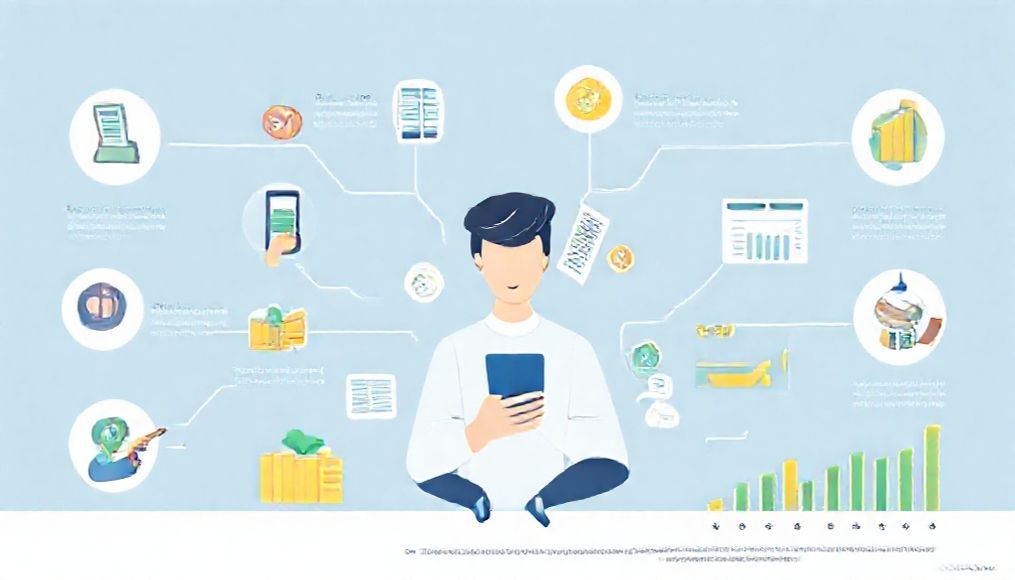
Introduction: The Power of Smart Saving
In today's world, where financial pressures are increasing, saving becomes a necessity to achieve financial stability and future goals. But saving doesn't necessarily mean giving up everything and enjoying life. Rather, it means managing money wisely and taking advantage of opportunities to reduce expenses and increase savings. One of the most prominent of these opportunities is taking advantage of the deals and discounts available in various sectors.
Chapter 1: The Psychology of Deals and Discounts: Understanding Consumer Motivations
To understand how to make the most of deals and discounts, you must first understand consumer psychology and how these offers affect purchasing decisions. Deals and discounts play on two basic strings in the human psyche:
- The desire to get value for money: The consumer feels satisfied when they believe they have gotten a good deal and spent less than expected.
- Fear of Missing Out (FOMO): Limited-time offers create a sense of urgency that drives consumers to buy before the offer expires.
Understanding these motivations helps you make more conscious purchasing decisions and avoid impulsive buying.
Chapter 2: Types of Deals and Discounts: A Comprehensive Guide
Deals and discounts come in many forms. It is important to be aware of these different types so that you can choose the one that best suits your needs and goals:
- Cash Discounts: A direct reduction in the price of the product or service (such as 20% off clothing).
- Promotional Offers: "Buy one get one free" offers or "Buy a product and get a free gift."
- Loyalty Points: Rewards programs that give you points for every purchase, and you can redeem these points for discounts or free products.
- Discount Coupons: Vouchers that give you a specific discount when you purchase.
- Clearance Sales: Large discounts on old or seasonal products.
- Bundle Offers: Buying a group of products at a lower price than their individual price.
- Subscription Offers: Special discounts for subscribers to certain services (such as streaming services or newspapers).
Chapter 3: Tools for Finding Deals and Discounts: Be a Skilled Hunter
To make the most of deals and discounts, you must be proactive in finding them. Here are some tools to help you with that:
- Price Comparison Websites and Apps: Compare prices of different products from different stores to help you find the best deal.
- Coupon Websites: Collect discount coupons from various online stores.
- Email Newsletters: Subscribe to the newsletters of your favorite stores to receive notifications about exclusive deals and discounts.
- Social Media: Follow your favorite stores and brands on social media to receive announcements about deals and discounts.
- Cashback Apps: Give you a percentage of the amount you spend when you purchase through the app.
Chapter 4: Advance Planning: Smart Shopping Strategy
Smart shopping is not just about finding the best deal, it's also about planning the purchasing process in advance. Here are some tips:
- Set a specific budget: Before you start looking for deals, determine how much you can spend.
- Identify your needs: Don't buy things you don't need just because they are on sale.
- Compare prices: Before buying, compare prices from different stores to make sure you are getting the best deal.
- Read the Terms and Conditions: Make sure you understand the terms and conditions of the offer before purchasing.
- Avoid Impulsive Buying: Don't let limited-time offers push you to buy without thinking.
Chapter 5: Seasonal Offers and Special Occasions: Golden Opportunities to Save
Seasonal offers and special occasions (such as Black Friday, Mother's Day, Back to School, Religious Holidays) are golden opportunities to save. During these periods, stores offer large discounts on a wide range of products.
Example: During Black Friday, you can get discounts of up to 70% on electronics, home appliances, and clothing.
Tip: Plan large purchases during these periods to take advantage of large discounts.
Chapter 6: Loyalty Programs and Rewards: Long-Term Investment
Loyalty programs and rewards are a great way to save in the long run. These programs give you points for every purchase, and you can redeem these points for discounts or free products.
Example: Many airlines and hotels have loyalty programs that give you miles or points for every flight or stay, and you can use these miles or points to get free flights or stays.
Tip: Subscribe to loyalty programs for the stores and brands you shop at regularly.
Chapter 7: Negotiation and Bargaining: A Priceless Skill
In some cases, you can negotiate and bargain to get a better price. This skill is especially useful when buying expensive goods (such as cars or furniture) or when dealing with independent traders.
Tip: Before negotiating, look for similar prices from other stores and use this information as leverage.
Chapter 8: Using Credit Cards Wisely: A Double-Edged Sword
Credit cards can be a powerful tool for saving if used wisely. Many credit cards offer cash rewards or points for every purchase, and you can use these rewards or points to reduce your expenses.
Warning: Avoid accumulating debt on your credit card, as high interest rates can negate any benefits from rewards or points.
Chapter 9: Tax Savings: Legal Strategies
There are many legal ways to reduce taxes, which increases your disposable income. Consult a tax professional for advice appropriate to your financial situation.
Example: Contributing to tax-deferred retirement accounts (such as 401(k) or IRA) can reduce your taxable income.
Chapter 10: Practical Examples from the Arab and Global Markets
Arab Market:
- Noon: Offers large discounts during Yellow Friday and Eid al-Adha.
- Souq.com: Offers daily deals and discounts on a wide range of products.
- Cashback apps like WaffarX: Give you a percentage of the amount you spend when you purchase through the app.
Global Market:
- Amazon: Offers large discounts during Prime Day and Black Friday.
- Walmart: Offers competitive prices on a wide range of products.
- Cashback apps like Rakuten: Give you a percentage of the amount you spend when you purchase through the app.
Conclusion: Smart Saving is a Continuous Journey
Smart saving is not just a set of techniques, but a mindset. By adopting a smart saving mindset, you can achieve your financial goals faster and more effectively. Remember that saving is a continuous journey, not a final destination. Continue to look for opportunities to reduce your expenses and increase your savings, and you will be amazed at the results you can achieve.