Strategic Saving: How to Achieve Your Big Dreams Step by Step
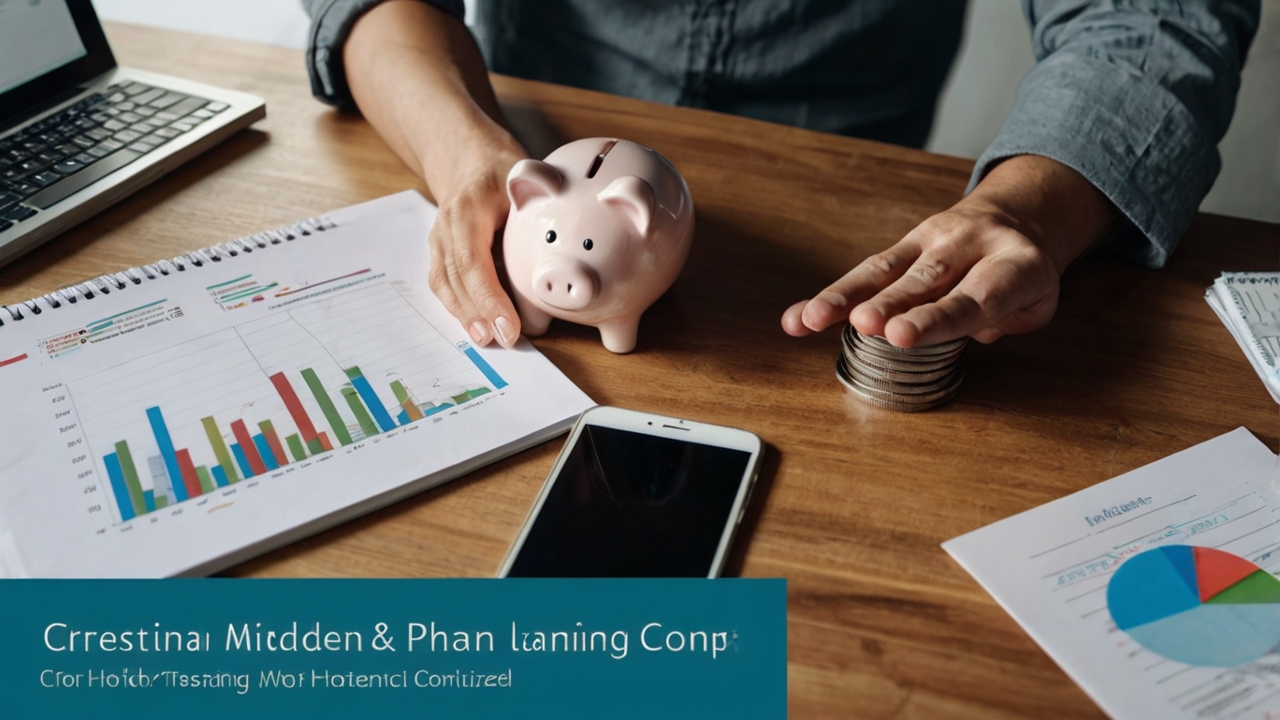
Major projects such as buying a home or a car are among the most important financial goals that many people strive for. However, achieving these goals requires careful planning and commitment to an effective savings strategy. In this article, we will review practical and well-thought-out steps to help you achieve your big dreams step by step.
Chapter 1: Defining the Goal and Setting the Timeline
The first step towards achieving any major financial goal is to clearly define the goal and set a realistic timeline. The goal should be Specific, Measurable, Achievable, Relevant, and Time-bound (SMART).
Example:
Instead of saying "I want to buy a house," say "I want to buy a house worth SAR 500,000 within five years."
- Define the Goal Value: How much money do you need?
- Set the Timeline: When do you want to achieve this goal?
- Assess Your Current Capacity: How much can you save monthly?
Chapter 2: Analyzing Income and Expenses
After defining the goal, you must analyze your income and expenses to determine the amount you can save monthly. Prepare a detailed budget that includes all sources of income and all types of expenses.
Tips for Analyzing Income and Expenses:
- Track Your Expenses: Use an app or spreadsheet to record all your expenses.
- Categorize Your Expenses: Divide your expenses into categories such as rent, food, transportation, and entertainment.
- Identify Unnecessary Expenses: Look for expenses that you can reduce or eliminate.
Chapter 3: Creating a Realistic Budget
Based on the analysis of income and expenses, create a realistic budget that determines the amount you can save monthly. The budget should be flexible and adjustable to suit changes in your income or expenses.
Example Budget:
| Item | Amount (SAR) |
|---|---|
| Monthly Income | 10,000 |
| Fixed Expenses (Rent, Bills) | 4,000 |
| Variable Expenses (Food, Transportation) | 3,000 |
| Amount Available for Saving | 3,000 |
Chapter 4: Prioritizing Saving
Saving for major projects should be a top priority. Allocate a significant portion of your income to saving before spending on anything else.
Tips for Prioritizing Saving:
- Pay Yourself First: Transfer the savings amount to the savings account at the beginning of each month.
- Automate Saving: Use automatic transfers from your checking account to your savings account.
- Resist Temptations: Avoid spending on unnecessary items.
Chapter 5: Choosing the Right Savings Tools
There are many savings tools available, such as traditional savings accounts, high-yield savings accounts, fixed deposits, and investment funds. Choose the tools that suit your goals and risk tolerance.
Comparison of Savings Tools:
Traditional Savings Accounts: Safe and easily accessible, but the return is low.
High-Yield Savings Accounts: Offer a higher return than traditional savings accounts, but may require a minimum balance.
Fixed Deposits: Offer a fixed return for a specified period, but you cannot withdraw funds before the end of the term.
Investment Funds: Offer the potential for higher returns, but involve greater risks.
Chapter 6: Reducing Debt
Debt is a major obstacle to achieving financial goals. Try to reduce your debt as much as possible, especially high-interest debt such as credit cards.
Tips for Reducing Debt:
- Pay Off High-Interest Debt First: Focus on paying off the debt that charges you the highest interest.
- Use the Snowball Method: Pay off the smallest debt first, then use the amount you saved to pay off the next debt.
- Avoid Accumulating New Debt: Only use credit cards for essential needs.
Chapter 7: Increasing Income
If your current income is not enough to achieve your financial goals, look for ways to increase your income. You can get an extra job, work as a freelancer, or invest in a side project.
Ideas for Increasing Income:
- Work as a Freelancer: Offer your services in areas such as writing, design, and programming.
- Invest in a Side Project: Start a small project in an area you are interested in.
- Sell Unused Items: Sell items you no longer need.
Chapter 8: Reviewing and Adjusting the Plan
You should review your financial plan regularly and adjust it as needed. You may need to adjust your plan if your income or expenses change, or if new opportunities for saving or investing arise.
Tips for Reviewing and Adjusting the Plan:
- Review Your Financial Plan Monthly: Make sure you are on track to achieve your goals.
- Adjust Your Plan as Needed: If your circumstances change, adjust your plan to suit the new situation.
- Consult a Financial Advisor: If you need help, consult a financial advisor for advice.
Chapter 9: Smart Investing
Once you start saving money, consider investing it to achieve higher returns. Consult a financial advisor to determine the best investments that suit your goals and risk tolerance.
Types of Investments:
- Stocks: Offer the potential for high returns, but involve significant risks.
- Bonds: Less risky than stocks, but the return is lower.
- Real Estate: Can be a good long-term investment, but requires significant capital.
- Investment Funds: Provide diversification in investments and risk reduction.
Chapter 10: Perseverance and Commitment
Finally, remember that achieving major financial goals requires perseverance and commitment. Do not give up if you encounter difficulties, and continue to work hard to achieve your dreams.
Disclaimer: This article is for informational purposes only and does not constitute financial advice. Consult a financial advisor before making any investment decisions.
``` Title: Strategic Saving: How to Achieve Your Big Dreams Step by Step Introduction: Achieving major goals like buying a home or car requires careful financial planning and an effective savings strategy. Discover how to turn your dreams into reality through practical and well-thought-out steps.