Introduction: Why Do We Spend More Than We Should on Food?
Many of us struggle to stick to a food budget. We often find ourselves spending more than we planned, and the reason is not just high prices, but also psychological factors that unconsciously influence our purchasing decisions.
Chapter 1: The Psychology of Food Spending: Understanding Hidden Motivations
Understanding the psychology of food spending is the first step towards controlling our expenses. Several psychological factors play an important role, including:
- Emotional Shopping: Buying as a reaction to negative emotions such as stress or boredom.
- The Influence of Offers and Discounts: The temptation to buy more just because there is a discount, even if we don't need it.
- The Influence of Fatigue and Exhaustion: After a long day, we tend to make faster and less conscious decisions, leading to buying ready-made and expensive foods.
- The Influence of Packaging: Products with attractive packaging often seem more appealing, even if they are not better than cheaper products.
Chapter 2: Pre-Planning: Your Secret Weapon for Saving
Pre-planning is the cornerstone of smart shopping. Here are some tips:
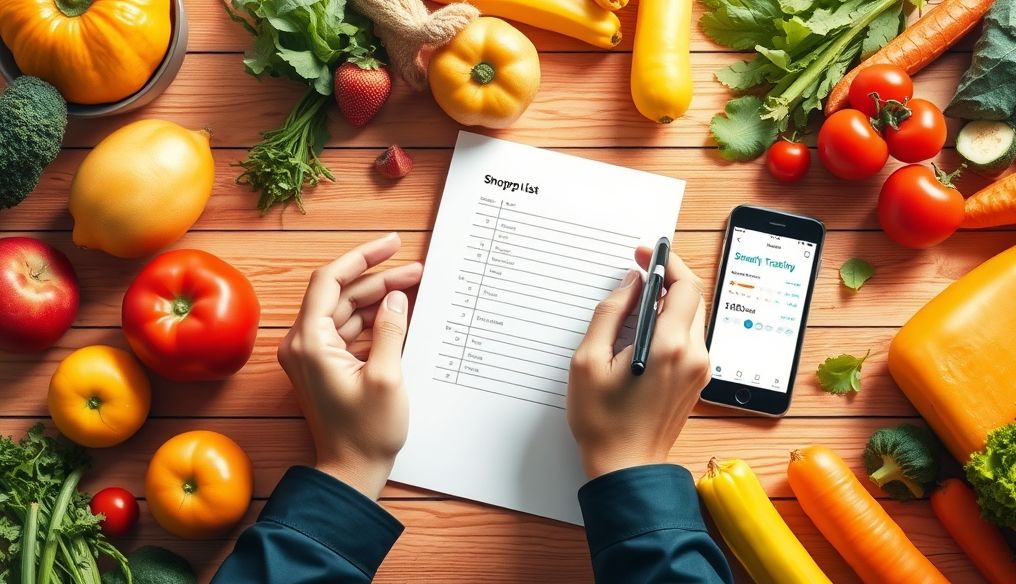
- Prepare a Detailed Shopping List: Before going to the store, prepare a detailed shopping list based on your planned meals for the week.
- Review Current Inventory: Before preparing the list, make sure to review what is already in your cupboards and refrigerator to avoid buying what you don't need.
- Meal Planning: Plan your meals for the entire week. This helps you buy only the necessary ingredients and reduces the likelihood of buying random foods.
Chapter 3: Conscious Shopping: Practical Strategies Inside the Store
When you are inside the store, there are several strategies you can follow for conscious shopping:
- Stick to the Shopping List: Avoid deviating from the list, no matter the temptations.
- Compare Prices: Pay attention to the unit price (price per kilogram or liter) instead of focusing on the total price only.
- Avoid Shopping When Hungry: Shopping when hungry increases the likelihood of buying unhealthy and expensive foods.
- Read Food Labels: Pay attention to the ingredients and nutritional value of products before buying them.
Chapter 4: Taking Advantage of Offers and Discounts Wisely
Offers and discounts can be a great opportunity to save, but they should be handled with caution:
- Buy Only What You Need: Don't buy products just because they are on sale if you don't need them.
- Compare Offers: Compare offers between different stores before making a purchase decision.
- Pay Attention to the Expiration Date: Make sure that the expiration date of the products on offer is suitable for your consumption.
Chapter 5: Online Shopping: Advantages and Disadvantages
Online shopping offers many advantages, such as convenience and time savings, but it also has some disadvantages:
- Advantages: Easily compare prices, save time and effort, the possibility of taking advantage of exclusive online offers.
- Disadvantages: Inability to inspect products before buying, delivery fees, the potential to buy unnecessary products due to ease of browsing.
Tip: Use price comparison apps to find the best deals online.
Chapter 6: Reducing Food Waste: Saving Money and Protecting the Environment
Food waste costs us a lot of money and harms the environment. Here are some tips to reduce food waste:
- Planning Food Quantities: Prepare the appropriate amounts of food for the number of people to avoid leftovers.
- Storing Food Properly: Store food in airtight containers and at the appropriate temperature.
- Using Leftovers: Be creative in using leftovers in new meals.
- Donating Excess Food: If you have excess food that is fit for consumption, donate it to charities.
Chapter 7: Growing Vegetables and Herbs at Home: A Sustainable and Economical Option
Growing vegetables and herbs at home can be a sustainable and economical option:
- Start Small: Start by growing some basic herbs and vegetables such as mint, parsley, and tomatoes.
- Use Recyclable Containers: Use recyclable containers to grow plants.
- Enjoy the Process: Gardening can be a fun and rewarding hobby.
Chapter 8: Cheaper Alternatives: How to Find Similar Products at Lower Prices
Often, you can find cheaper alternatives to the products you buy regularly:
- Private Label Products: Private label products are often cheaper than well-known brand products, and are often of the same quality.
- Buying in Bulk: If you consume a certain product regularly, consider buying it in bulk to take advantage of the lower price.
- Looking for Special Offers: Look for special offers on products you buy regularly.
Chapter 9: Reviewing the Budget and Tracking Spending: The Key to Long-Term Success
Reviewing the budget and tracking spending regularly helps you stay on track:
- Use a Spending Tracking App: There are many apps that help you track your food spending.
- Review Your Budget Regularly: Review your budget monthly to make sure you stick to it.
- Adjust Your Budget as Needed: If you find that you are spending more than you planned, adjust your budget as needed.
Chapter 10: Conclusion: Continuous Saving is a Habit
Saving on food expenses is not just a temporary solution, but a habit that must be developed. By understanding the psychology of food spending, pre-planning, conscious shopping, and reducing food waste, you can achieve significant savings in your food budget in the long run.
"Saving is not austerity, but the art of managing resources wisely."