Challenges and Opportunities: An Introduction to Saving for Piecework and Commission-Based Workers
Working on a piecework or commission basis is an attractive option for many, offering flexible hours and the potential for high income. However, workers in this system face unique challenges when it comes to financial planning and saving, due to income fluctuations and the lack of a guaranteed fixed income. This article aims to explore these challenges and provide practical strategies to overcome them and build a stable financial future.
Chapter 1: Understanding the Nature of Fluctuating Income
Analyzing Monthly Income: The First Step Towards Saving
The first step towards effective saving is understanding the nature of your fluctuating income. Track your monthly income for at least six months, then calculate the average monthly income. This figure will be the starting point for setting realistic saving goals.
Example: If your income in the last six months is $5000, $7000, $4000, $6000, $8000, and $5500, then the average monthly income is ($5000 + $7000 + $4000 + $6000 + $8000 + $5500) / 6 = $5916.67.
Identifying Different Income Sources
If you have multiple income sources (e.g., commissions from different sales or additional freelance work), identify each source separately. This helps you understand which sources are more stable and which are more volatile.
Chapter 2: Creating a Flexible Budget
The 50/30/20 Rule: Adapting it to Fluctuating Income
The 50/30/20 rule is a simple tool for allocating income: 50% for essential needs, 30% for wants, and 20% for saving and debt repayment. For piecework workers, this rule can be adjusted to suit income fluctuations. In months with high income, try to increase the saving rate. In months with low income, reduce spending on wants.
Example: If your monthly income is $8000, you can allocate $4000 for needs, $2400 for wants, and $1600 for saving and debt repayment. In a month where your income is $4000, you can reduce spending on wants to $800 and allocate $3200 for needs.
The Importance of Tracking Expenses
Use an expense tracking app or a simple spreadsheet to record every penny you spend. This helps you identify areas where you can reduce spending.
Chapter 3: Building an Emergency Fund
Emergency Fund Goal: 3-6 Months of Living Expenses
The emergency fund is the first line of defense against financial crises. It should contain enough to cover living expenses for 3 to 6 months. This provides security in case of income loss or unexpected expenses.
Example: If your monthly expenses are $5000, your emergency fund should aim to accumulate between $15000 and $30000.
Where to Put Your Emergency Fund?
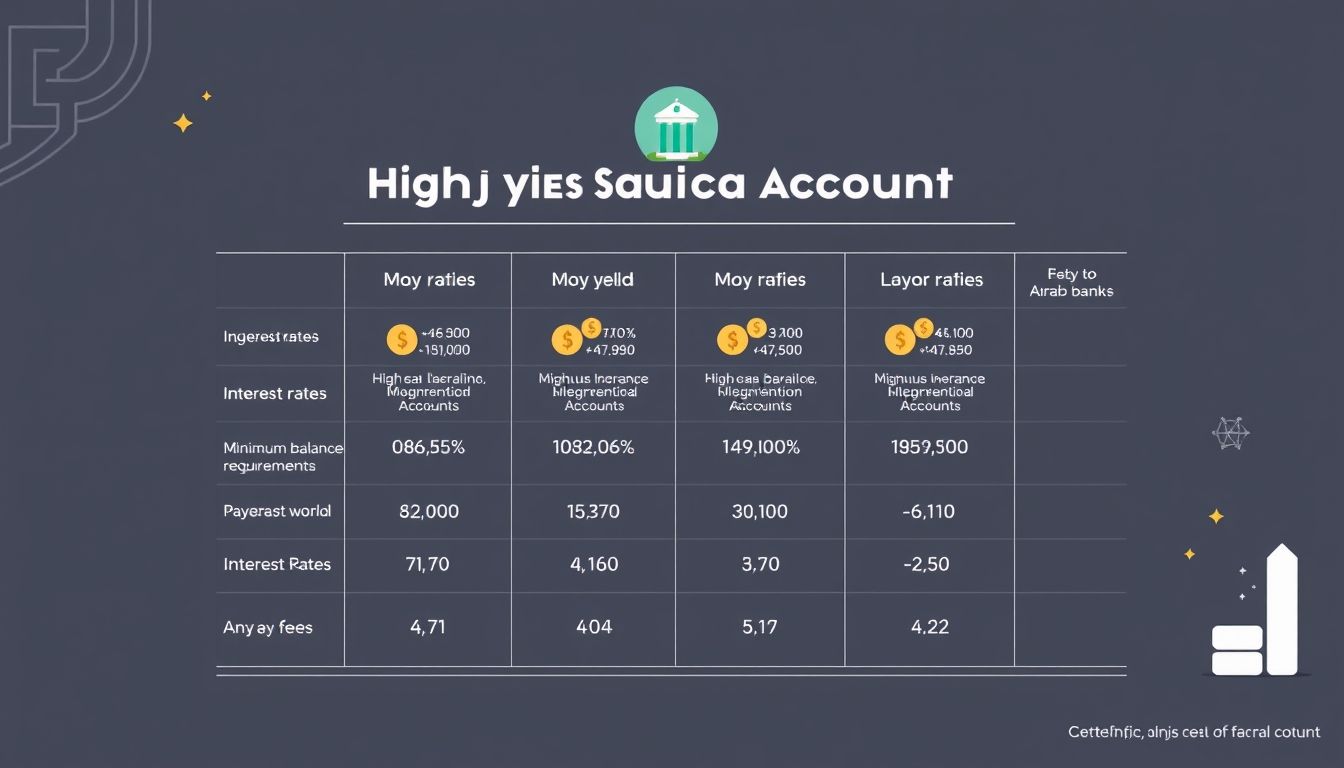
Choose a high-yield, easily accessible savings account. Avoid investing your emergency fund in high-risk investments.
Chapter 4: Debt Repayment
Prioritizing Debts
If you have debts, prioritize them based on the interest rate. Focus on repaying debts with the highest interest rate first.
The Snowball Strategy: A Method to Motivate Debt Repayment
This strategy starts by paying off the smallest debt first, regardless of the interest rate. After paying off the smallest debt, the amount that was being paid to it is directed to the next largest debt. This method provides a sense of accomplishment and motivation.
Chapter 5: Retirement Planning
The Importance of Starting Early
The earlier you start planning for retirement, the better. Even small amounts of regular saving can accumulate into a large sum over time.
Retirement Saving Options
Explore available saving options, such as mutual funds, Individual Retirement Accounts (IRAs), and employer-sponsored retirement plans (if available).
Chapter 6: Smart Investing
Diversifying Investments
Don't put all your eggs in one basket. Diversify your investments across different asset classes, such as stocks, bonds, and real estate.
Long-Term Investing
Focus on long-term investing and avoid trying to make quick profits. The market is volatile, and trying to predict its short-term movements often leads to losses.
Chapter 7: Insurance
Health Insurance: Protection Against Unexpected Medical Expenses
Health insurance is essential to protect yourself from unexpected medical expenses. Compare different insurance plans and choose the one that suits your needs and budget.
Life Insurance: Protection for Your Family
If you have dependents, consider getting life insurance to protect your family in case of your death.
Chapter 8: Skill Development and Income Enhancement
Investing in Yourself
Invest in developing your skills and increasing your knowledge. This can lead to increased income and better job opportunities.
Seeking Additional Income Sources
Look for additional income sources, such as freelancing or selling products online.
Chapter 9: Leveraging Technology
Budgeting and Saving Apps
Use budgeting and saving apps to help you track your expenses and set saving goals.
Online Financial Tools
Take advantage of online financial tools to compare interest rates and manage your investments.
Chapter 10: Additional Tips
- Be Patient and Persistent: Saving and building wealth takes time and effort.
- Review Your Financial Plan Regularly: Make sure your financial plan is still suitable for your goals and circumstances.
- Seek Professional Financial Advice: If you need help, don't hesitate to seek advice from a qualified financial advisor.
Disclaimer: This article is for informational purposes only and does not constitute financial advice. Consult a qualified financial advisor before making any financial decisions.