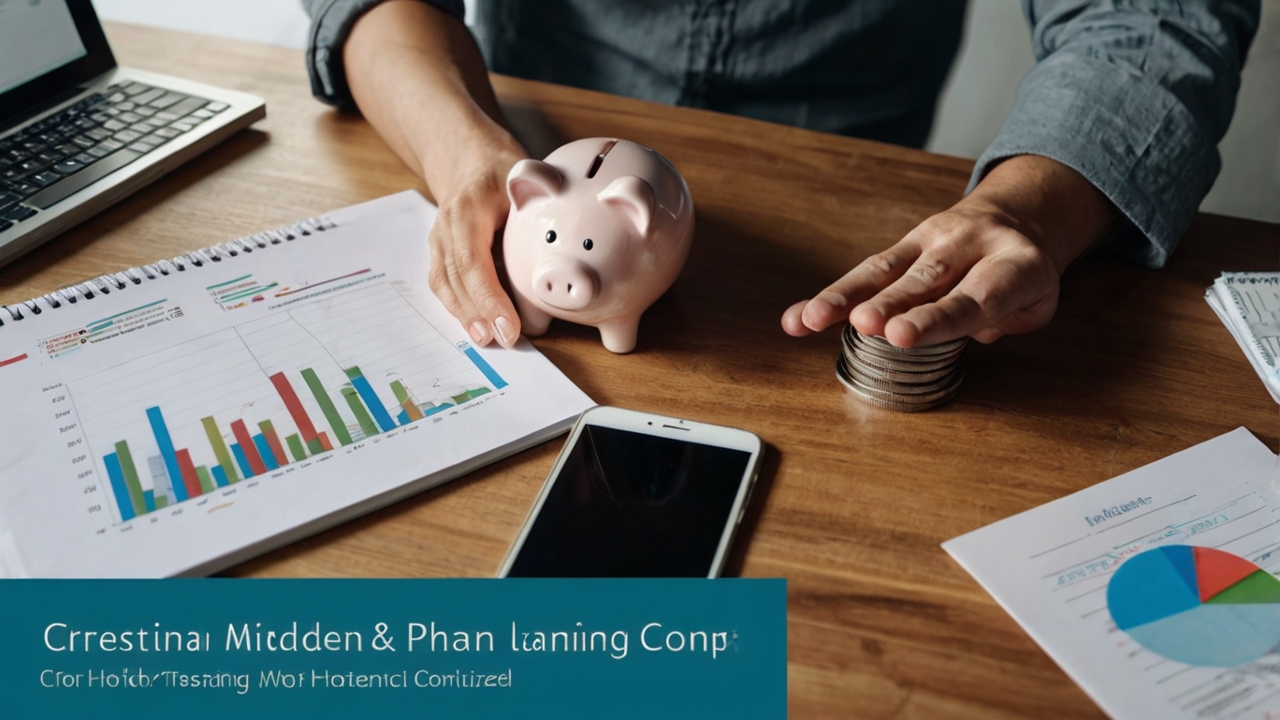
Introduction: Budget Challenges in Large Families
Large families face unique challenges in managing their budgets, as expenses multiply and needs diversify. Adopting effective savings strategies is crucial to ensure financial stability and achieve long-term goals.
Chapter 1: Analyzing and Evaluating the Current Financial Situation
The first step towards saving is a clear understanding of the current financial situation. This includes:
- Calculating Net Monthly Income: Determining total income after taxes and deductions.
- Tracking Expenses: Monitoring all expenses for at least a month, categorized (essential, secondary, recreational).
- Analyzing Cash Flow: Comparing income with expenses to identify surpluses or deficits.
- Assessing Debts: Listing all debts (loans, credit cards) and identifying interest rates.
Example: A family with a net monthly income of $4,000 and monthly expenses of $4,500 faces a $500 deficit. They must find ways to reduce expenses or increase income.
Chapter 2: Creating a Realistic and Flexible Budget
After analyzing the financial situation, a realistic budget should be created, considering all necessary expenses and setting savings goals. The budget should be flexible enough to adapt to changing circumstances.
Tips for Creating an Effective Budget:
- Prioritizing: Focus on essential expenses (housing, food, education) and reduce secondary expenses.
- Allocating Specific Amounts for Each Category: Set a monthly budget for food, transportation, entertainment, etc.
- Reviewing the Budget Regularly: Adjust the budget monthly or quarterly as needed.
- Using Budget Management Apps: These apps help track expenses and identify savings opportunities.
Chapter 3: Reducing Essential Expenses
Essential expenses (housing, food, transportation, education) constitute the largest portion of a family's budget. Significant savings can be achieved by:
- Housing: Looking for a smaller home or in a less expensive area, negotiating rent, reducing energy consumption.
- Food: Planning meals in advance, buying in bulk, cooking at home, reducing dining out.
- Transportation: Using public transportation, carpooling, walking or biking for short distances.
- Education: Seeking affordable public or private schools, taking advantage of scholarships, buying used textbooks.
Example: A family can reduce their food bill by 20% by planning meals and buying in bulk.
Chapter 4: Controlling Secondary and Recreational Expenses
Secondary and recreational expenses (shopping, entertainment, hobbies) can drain a significant portion of the budget. They can be controlled by:
- Setting an Entertainment Budget: Allocating a specific amount for monthly entertainment and sticking to it.
- Finding Free or Low-Cost Alternatives: Visiting public parks, libraries, community events.
- Avoiding Impulse Shopping: Planning purchases in advance and buying only what is necessary.
- Canceling Unnecessary Subscriptions: Reviewing subscriptions (TV, internet, gyms) and canceling those not used regularly.
Example: A family can save $150 per month by canceling an unnecessary TV subscription.
Chapter 5: Increasing Income
In addition to reducing expenses, income can be increased by:
- Finding an Additional Job: Working part-time or freelancing.
- Selling Unnecessary Items: Selling used clothes, furniture, electronics.
- Renting Properties: Renting out an extra room in the house or an apartment.
- Investing: Investing a portion of income in stocks, bonds, real estate.
Example: A person can increase their income by $500 per month by working part-time in their field of expertise.
Chapter 6: Planning for Savings and Investments
Saving is not just about reducing expenses; it's also about allocating a portion of income to savings and investments. A clear savings and investment plan should be in place to achieve long-term financial goals.
Tips for Planning Savings and Investments:
- Setting Financial Goals: Identifying goals (buying a house, children's education, retirement) and determining the amount needed for each goal.
- Determining the Savings Rate: Allocating a specific percentage of income to savings (e.g., 10% or 15%).
- Choosing Appropriate Savings and Investment Tools: Selecting tools that align with financial goals and acceptable risks.
- Diversifying Investments: Not putting all money into one investment to reduce risk.
Chapter 7: Managing Debt Effectively
Debt can be a significant burden on the budget. It should be managed effectively by:
- Paying Off High-Interest Debt First: Focusing on paying off debts that charge higher interest (such as credit cards).
- Negotiating with Creditors: Trying to negotiate lower interest rates or easier repayment plans.
- Avoiding Unnecessary Debt: Not borrowing unless absolutely necessary.
- Consolidating Debt: Consolidating all debts into a single loan with a lower interest rate.
Example: A person can save hundreds of dollars per month by consolidating their debts into a single loan with a lower interest rate.
Chapter 8: Taking Advantage of Deals and Discounts
Money can be saved by taking advantage of available deals and discounts:
- Looking for Deals Before Buying: Comparing prices between different stores and searching for deals.
- Using Coupons and Discount Cards: Taking advantage of coupons and discount cards available online or in stores.
- Shopping During Sales Seasons: Buying clothes, appliances, and other products during sales seasons.
- Joining Loyalty Programs: Taking advantage of loyalty programs that offer rewards and discounts for regular customers.
Chapter 9: Teaching Children About Money
Teaching children about money is an investment in their financial future. They can be taught by:
- Providing an Allowance: Providing children with an allowance and teaching them how to manage it.
- Opening a Savings Account: Opening a savings account for children and encouraging them to save.
- Teaching Them About the Value of Money: Teaching them that money doesn't come easily and that they have to work hard to earn it.
- Involving Them in Budget Decisions: Involving them in family budget decisions to teach them about priorities and trade-offs.
Chapter 10: Additional Savings Tips
Here are some additional savings tips:
- Reviewing Insurance: Comparing insurance prices between different companies and choosing the best one.
- Reducing Water and Electricity Consumption: Conserving water and electricity to reduce bills.
- Repairing Things Instead of Replacing Them: Repairing appliances, clothes, and other items instead of replacing them.
- Donating Unused Clothes and Items: Donating unused clothes and items instead of throwing them away.
Saving for large families requires careful planning and continuous implementation. By following these strategies, large families can achieve financial stability and secure a better future for their children.