Home Solar Power: A Smart Investment That Saves Money and Protects the Environment
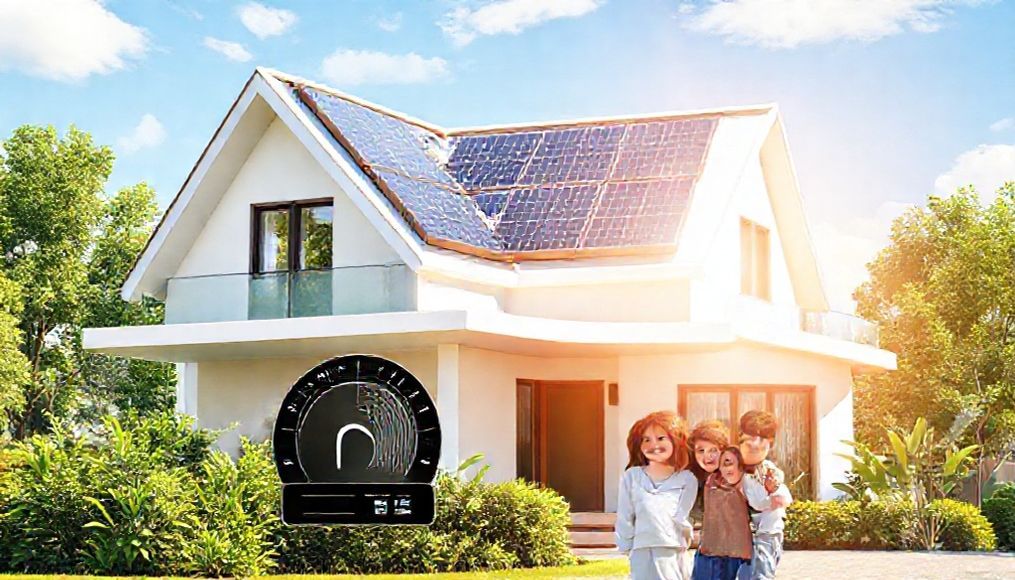
With rising energy costs and growing awareness of the importance of environmental conservation, home solar power has become an attractive option for many. It's not just about saving money and reducing reliance on traditional energy sources; it's also about contributing to a more sustainable future. This article will provide a comprehensive overview of everything you need to know about home solar power, from costs and benefits to the practical steps for implementing this smart investment.
Chapter 1: Why Home Solar Power?
Solar power is simply the conversion of sunlight into electricity. This can be done using two main technologies:
- Photovoltaic (PV) Cells: These are the most common and use solar panels made of semiconductor materials to convert sunlight directly into electricity.
- Concentrated Solar Power (CSP): Uses mirrors to focus sunlight to heat a fluid, which in turn is used to produce steam to power turbines to generate electricity. This technology is more common in large power plants and not as common for home use.
Benefits of Home Solar Power:
- Cost Savings: Can significantly reduce your monthly electricity bill, and in some cases, eliminate it completely.
- Energy Independence: Reduces reliance on utility companies and their grids, making you less vulnerable to price increases and power outages.
- Environmental Protection: Reduces greenhouse gas emissions that contribute to global warming.
- Increased Home Value: Installing a solar power system is considered a value-added feature for your home when selling.
- Government Incentives: Many governments offer tax incentives and grants to encourage the use of solar power.
Chapter 2: Types of Home Solar Power Systems
There are three main types of home solar power systems:
- Grid-Tied Systems: These are the most common, where solar panels are connected to the public electricity grid. Electricity generated from the panels is used first, and if there is a surplus, it is exported to the grid for credit or payment.
- Off-Grid Systems: Require batteries to store electricity generated from solar panels. Used in remote areas where there is no electricity grid available.
- Hybrid Systems: Combine a grid-tied system with batteries. Provide the benefit of saving money by exporting surplus to the grid, as well as providing backup power in case of a power outage.
Chapter 3: Calculating the Right Solar System Size for Your Home
To determine the right size of solar system, several factors must be considered:
- Monthly Electricity Consumption: Review your electricity bills to calculate the average monthly consumption in kilowatt-hours (kWh).
- Home Location: Determines the amount of sunlight your home receives. Sunny locations require smaller systems.
- Available Surface Area: You must have enough space on the roof to install solar panels.
- Installation Budget: The cost of solar systems varies depending on their size and type.
Example: If your average monthly consumption is 500 kWh, you may need a 5 kW solar system. You can use online solar calculators to estimate the required system size.
Chapter 4: Cost of Installing a Solar Power System
The cost of installing a solar power system depends on several factors, including:
- System Size: The larger the system capacity, the higher the cost.
- Type of Solar Panels: Panel prices vary depending on their efficiency and quality.
- Installation Costs: Include labor, equipment, and permit costs.
- Battery Costs (for off-grid or hybrid systems): Batteries are expensive and require periodic replacement.
Cost Estimates: On average, the cost of installing a 5 kW home solar system in the Arab region ranges between $5,000 and $10,000 USD. This cost may vary depending on the country and the implementing company.
Chapter 5: Government Incentives and Financing
Many governments offer incentives to encourage the use of solar power, such as:
- Tax Incentives: Tax deductions on the cost of installing a solar system.
- Grants: Financial amounts provided by the government to cover part of the installation cost.
- Net Metering Programs: Allow you to export surplus electricity generated to the grid for credit or payment.
Financing Options: You can finance the installation of a solar system through personal loans, mortgage loans, or special renewable energy financing programs.
Chapter 6: Choosing the Right Installation Company
Choosing a reliable installation company is crucial. Look for companies with experience and a good reputation, and compare price quotes from several different companies. Make sure the company is licensed and insured, and offers a warranty on the solar panels and installation.
Tips for Choosing the Right Company:
- Ask for References: Talk to previous clients of the company.
- Check Licenses and Insurance: Make sure the company is properly licensed and insured.
- Read Contracts Carefully: Make sure you understand all the terms of the contract before signing.
Chapter 7: Maintaining a Solar Power System
Solar power systems require relatively little maintenance. However, it is important to clean the solar panels regularly to remove dust and dirt that may reduce their efficiency. It is also recommended to have the system inspected periodically by a qualified technician to ensure it is working properly.
Maintenance Tips:
- Clean Solar Panels Regularly: Use water and mild soap.
- Inspect Wires and Connections: Make sure they are intact and not corroded.
- Monitor System Performance: Use a solar monitoring system to track electricity production.
Chapter 8: Environmental Impact of Solar Power
Solar power is a clean and renewable source of energy. It reduces greenhouse gas emissions that cause global warming and reduces reliance on fossil fuels that pollute the environment. In addition, solar power produces no waste or pollution during operation.
Statistics: It is estimated that every kWh of electricity generated from solar power reduces carbon dioxide emissions by 0.85 kilograms.
Chapter 9: Solar Power in the Arab World: Reality and Future
The Arab world is experiencing rapid growth in the use of solar power. The region has an abundance of sunlight, making it ideal for generating solar power. Many Arab countries are making significant investments in solar power projects, with the aim of diversifying energy sources and reducing reliance on oil and gas.
Examples:
- Egypt: The Benban Solar Park, one of the largest solar power projects in the world.
- United Arab Emirates: The Noor Abu Dhabi Solar Power Plant, the largest independent solar power plant in the world.
- Morocco: The Noor Ouarzazate Concentrated Solar Power Plant.
Future: The use of solar power in the Arab world is expected to continue to grow in the coming years, driven by falling technology costs and increasing awareness of the importance of renewable energy.
Chapter 10: Practical Tips for Saving Energy at Home
In addition to installing a solar power system, there are many other ways to save energy at home:
- Use Energy-Efficient Bulbs (LED): LED bulbs consume much less energy than traditional bulbs.
- Unplug Electronic Devices When Not in Use: Even in standby mode, electronic devices consume some energy.
- Use Electrical Appliances Efficiently: Use the washing machine and dishwasher at full load, and set the refrigerator temperature to the optimum level.
- Insulate Your Home Well: Good insulation reduces heat loss in winter and heat gain in summer, reducing the need for heating and cooling.
- Use Curtains and Shades: Curtains and shades help prevent direct sunlight from entering the home in the summer, reducing the need for air conditioning.
"Renewable energy is the key to a sustainable future."
- International Renewable Energy Agency (IRENA)