Introduction: The Challenges of Rising Healthcare Costs
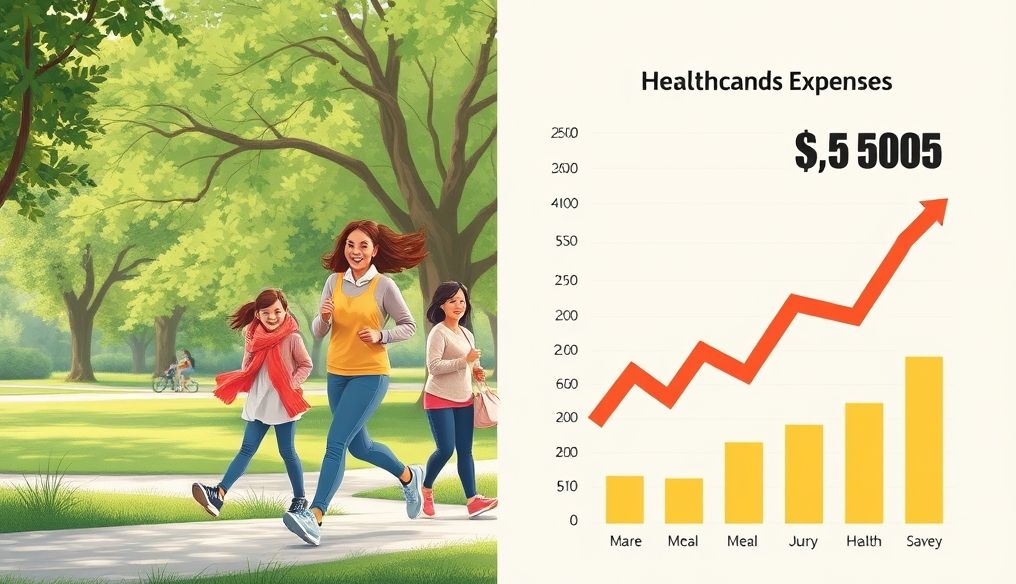
Households and organizations alike face increasing challenges due to rising healthcare costs. Access to good healthcare is no longer guaranteed, but has become a heavy financial burden for many. This article aims to provide practical and detailed strategies to reduce these costs while maintaining quality of care.
Chapter 1: Prevention is Better Than Cure: Invest in Your Health
The Importance of Regular Check-ups and Vaccinations
Regular check-ups and vaccinations are an investment in your long-term health. They help in the early detection of diseases, reducing subsequent treatment costs. For example, early detection of breast cancer increases the chances of recovery and reduces the need for expensive treatments.
- Annual Check-ups: Conduct comprehensive annual check-ups to detect any potential health problems.
- Vaccinations: Make sure to get all recommended vaccinations to protect you from infectious diseases.
Healthy Lifestyle: Diet, Exercise, and Sleep
Adopting a healthy lifestyle reduces the risk of developing chronic diseases such as diabetes and heart disease, reducing the need for costly treatments. The essential elements of a healthy lifestyle include:
- Balanced Diet: Eat foods rich in nutrients and avoid processed foods and added sugars.
- Regular Exercise: Exercise regularly for at least 30 minutes most days of the week.
- Adequate Sleep: Get 7-8 hours of good sleep each night.
Chapter 2: Understanding Your Health Insurance System
Choosing the Right Health Insurance Plan
Choosing the right health insurance plan is crucial. Compare different plans and choose the one that suits your needs and budget. Consider:
- Deductibles: The amount you pay before insurance starts covering costs.
- Monthly Premiums: The amount you pay monthly for insurance.
- Coverage: The services covered by the insurance.
Making the Most of Health Insurance Benefits
Make sure you understand all the benefits of your health insurance and take advantage of them. For example, insurance may provide free coverage for preventive check-ups and health consultations.
Chapter 3: Looking for Less Expensive Treatment Alternatives
Alternative and Complementary Medicine
In some cases, alternative and complementary medicine can be a less expensive treatment option. These alternatives include:
- Acupuncture: To treat pain and stress.
- Physical Therapy: To improve movement and flexibility.
- Herbal Medicine: To treat some mild illnesses.
Caution: Consult your doctor before trying any alternative treatment to make sure it is safe and appropriate for your condition.
Online Pharmacies and Generic Drugs
Online pharmacies and generic drugs can be cheaper options for buying medicines. Compare prices between different pharmacies and look for generic drugs instead of brand-name drugs.
Example: "Paracetamol" is the scientific name for the pain reliever commercially known as "Tylenol". The generic drug (Paracetamol) is much cheaper than "Tylenol" but contains the same active ingredient.
Chapter 4: Negotiating with Healthcare Providers
Requesting and Reviewing Detailed Bills
Request detailed bills from healthcare providers and review them carefully. You may find errors or unnecessary charges that you can dispute.
Negotiating Prices
Don't hesitate to negotiate prices with healthcare providers. In some cases, they may be willing to offer discounts or flexible payment plans.
Chapter 5: Telehealth
Telehealth provides medical consultations online or by phone, saving time and money. It can be used to obtain renewed prescriptions or simple consultations.
Chapter 6: Managing Medications Effectively
Buying Medications in Bulk
If you take medications regularly, consider buying them in bulk to get discounts.
Adhering to Doctor's Instructions
Adhering to the doctor's instructions on taking medications ensures their effectiveness and reduces the risk of complications that may require additional treatments.
Chapter 7: Utilizing Government and Local Programs
Look for government and local programs that offer financial assistance for healthcare. You may be eligible for financial support or free insurance coverage.
Chapter 8: Comparing Prices for Surgical Procedures and Medical Procedures
Before undergoing any surgical procedure or medical procedure, compare prices between different hospitals and medical centers. You may find significant differences in prices.
Chapter 9: Creating a Health Emergency Fund
Allocate part of your budget to create a health emergency fund. This fund will help you cover unexpected medical expenses without having to borrow or incur additional debt.
Chapter 10: Changing Your Mindset About Health
Change the way you think about health. Don't see it as a financial burden, but as an investment in your future and happiness. Focusing on prevention and self-care will reduce the need for costly treatments in the future.
Conclusion: Saving on health and treatment expenses is possible through good planning, prevention, and utilization of available resources. Start applying these strategies today to improve your financial and personal health.