Digital Saving Revolution: How Mobile Apps are Reshaping Spending Habits
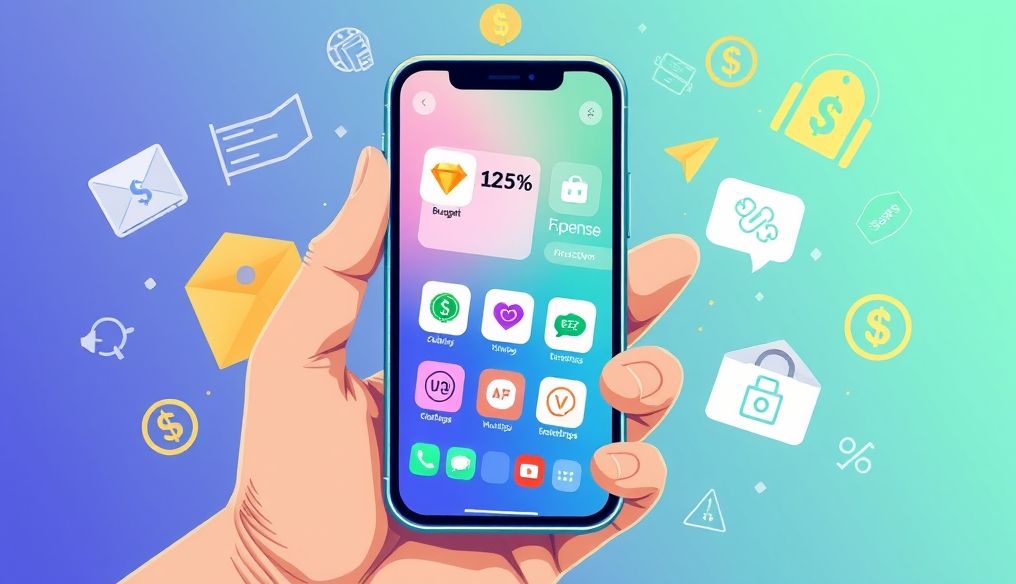
In our digital age, saving is no longer just a traditional practice, but an interactive journey powered by mobile apps and advanced technology. These digital tools not only provide a way to track expenses, but also offer deep insights into spending habits, enabling users to make smarter and more effective financial decisions.
Chapter 1: Expense Tracking Apps: Your Watchful Eye on Every Dollar
Expense tracking apps are the cornerstone of any successful saving strategy. They act as an accurate digital record of every financial transaction, allowing you to see exactly where your money is going. By automatically categorizing expenses, you can identify areas where you can reduce spending.
Examples of Leading Expense Tracking Apps:
- Mint: A free app that connects all your financial accounts in one place, providing detailed reports on your spending.
- YNAB (You Need a Budget): A paid app that focuses on pre-planning your budget and prioritizing spending.
- Personal Capital: Offers tools for tracking expenses, investments, and wealth management.
Statistic: According to a study by "Statista," using expense tracking apps increases users' awareness of their spending habits by 40%, leading to an average saving of 15% per month.
Chapter 2: Budgeting Apps: A Roadmap to Financial Freedom
Budgeting apps go beyond just tracking expenses; they help you create a comprehensive financial plan that sets your financial goals and allocates funds for each category of expenses. These apps help you stick to your budget and avoid overspending.
Practical Tips for Creating an Effective Budget:
- Define your financial goals: Whether it's buying a house, paying off debt, or early retirement, setting goals helps you stay motivated.
- Track your income and expenses accurately: Use an expense tracking app to record every financial transaction.
- Create a realistic budget: Allocate funds for each category of expenses, ensuring that total expenses do not exceed your income.
- Review your budget regularly: Adjust your budget as needed based on changes in your income or expenses.
Chapter 3: Investing Apps: Invest Smart and Start Small
Investing is no longer exclusive to the wealthy. Thanks to investing apps, anyone can start investing small amounts of money and build a diversified investment portfolio.
Examples of Popular Investing Apps:
- Robinhood: A free app that allows you to buy and sell stocks and ETFs without commission.
- Acorns: Automatically invests the "spare change" from your daily purchases.
- Betterment: Offers automated wealth management services, creating and managing a diversified investment portfolio on your behalf.
Warning: Investing involves risk. Before investing, make sure you understand the risks associated with each investment. Start with small amounts and consult a financial advisor if you are unsure.
Chapter 4: Cashback and Rewards Apps: Earn Money While Shopping
Cashback and rewards apps allow you to earn money or get discounts when shopping online or in physical stores. These apps work by giving you a percentage of your purchases as "cash back" or reward points that you can redeem later.
Examples of Cashback and Rewards Apps:
- Rakuten: Offers cashback on your purchases from thousands of online stores.
- Ibotta: Rewards you for buying specific products in local stores.
- Honey: Automatically searches for the best discount codes when shopping online.
Chapter 5: Price Comparison Apps: Don't Pay More Than You Have To
Price comparison apps help you find the best prices for the products and services you are looking for. These apps compare prices from various online stores, ensuring you get the best possible deal.
Examples of Price Comparison Apps:
- Google Shopping: Allows you to compare prices from thousands of online stores.
- ShopSavvy: Lets you scan product barcodes in physical stores and compare prices online.
Chapter 6: Debt Management Apps: Your Path to Debt Freedom
If you are struggling with debt, debt management apps can help you create a plan to pay off your debts faster and more effectively. These apps help you track your debts, prioritize repayment, and save money by negotiating lower interest rates.
Examples of Debt Management Apps:
- Debt Manager: An app that helps you track your debts and create a repayment plan.
- Tally: An app that offers a lower interest rate credit line to pay off credit card debt.
Chapter 7: Automatic Savings Apps: Saving Without Thinking
Automatic savings apps allow you to save money without having to think about it. These apps automatically transfer small amounts of money from your checking account to your savings account on a regular basis.
Examples of Automatic Savings Apps:
- Digit: Analyzes your spending habits and automatically transfers small amounts of money to your savings account.
- Qapital: Allows you to create custom savings rules to achieve your financial goals.
Chapter 8: Freelance and Gig Economy Apps: Additional Income Streams
Freelance and gig economy apps can help you earn money in your spare time. These apps connect you with flexible job opportunities, such as driving, delivery, writing, design, teaching, and much more.
Examples of Freelance and Gig Economy Apps:
- Uber/Lyft: Provides opportunities to drive and earn money.
- Upwork/Freelancer: Connects you with freelance job opportunities in various fields.
- Airbnb: Allows you to rent out your home or room to guests.
Chapter 9: Retirement Planning Apps: Start Planning Early
It is important to start planning for retirement early to ensure a secure financial future. Retirement planning apps help you set your retirement goals, estimate how much you need to retire, and create a savings and investment plan.
Examples of Retirement Planning Apps:
- Fidelity Investments: Provides tools for retirement planning and investment management.
- Schwab Retirement Plan Services: Offers retirement planning services for employees and employers.
Chapter 10: Tips for Maximizing Your Use of Saving Apps
To get the most out of saving apps, follow these tips:
- Choose apps that fit your needs and financial goals.
- Use the apps regularly and be committed to tracking your expenses and managing your budget.
- Review app reports regularly and look for opportunities to improve your spending habits.
- Don't rely on apps alone. Use them as a tool to help you achieve your financial goals, but don't forget the importance of personal financial planning and consulting with a financial advisor if needed.
Disclaimer: The information contained in this article is for informational purposes only and does not constitute financial advice. Before making any financial decisions, consult a qualified financial advisor.