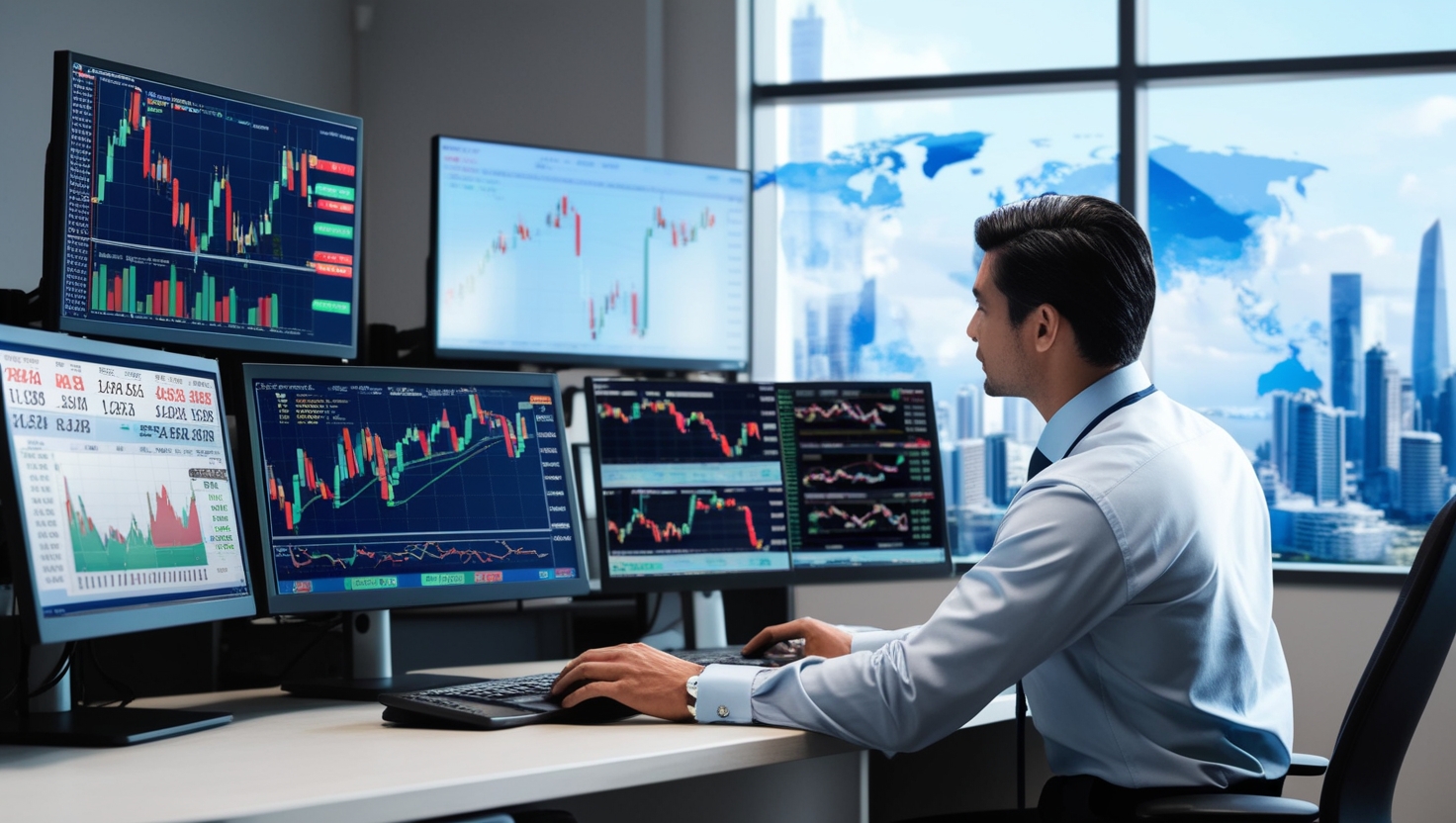
Introduction: The Rise of Online Trading in the Arab Region
The Arab region has witnessed a significant surge in interest in online trading in recent years. This growth is driven by several factors, including increased awareness of investment, easy access to global markets via the internet, and the availability of diverse trading platforms. However, both new and experienced traders face the challenge of selecting the most suitable platform that meets their needs and provides them with the tools and resources necessary to succeed.
Chapter 1: Criteria for Choosing the Ideal Trading Platform
Before diving into the details of different platforms, it is essential to define the basic criteria that should be considered when choosing a trading platform. These criteria include:
- Fees and Commissions: Understanding the different fee structures (trading fees, withdrawal and deposit fees, inactivity fees) and comparing them across different platforms.
- Assets Available for Trading: Ensuring that the platform provides access to the assets that the trader wants to trade (stocks, forex, commodities, indices, cryptocurrencies).
- User Interface and Ease of Use: Choosing a platform with an intuitive and easy-to-use user interface, especially for beginners.
- Analytical Tools and Features: Availability of advanced technical analysis tools, interactive charts, and real-time market news.
- Security and Regulation: Ensuring that the platform is licensed and regulated by reputable regulatory bodies, and provides strong security measures to protect traders' funds and information.
- Customer Service: Providing fast and effective technical support through multiple channels (email, phone, live chat).
Chapter 2: Comparative Analysis of the Best Trading Platforms in the Arab Region
Here is a comparative analysis of some of the best online trading platforms available in the Arab region, focusing on the criteria mentioned above:
1. AvaTrade
Overview: AvaTrade is a well-known global trading broker that offers a wide range of tradable assets, including forex, stocks, commodities, and cryptocurrencies. AvaTrade features a user-friendly interface and a robust trading platform, as well as a variety of educational resources for traders of all levels.
Pros:
- Wide range of tradable assets.
- Multiple trading platforms, including MetaTrader 4 and MetaTrader 5.
- Comprehensive educational resources.
- Multilingual customer support.
Cons:
- Withdrawal fees can be high.
2. eToro
Overview: eToro is a popular social trading platform that allows traders to copy the trades of other successful traders. eToro also offers a variety of tradable assets, including stocks, forex, and cryptocurrencies.
Pros:
- Unique social trading platform.
- Ease of use.
- Access to a wide range of global markets.
Cons:
- Higher withdrawal fees than some other platforms.
3. Exness
Overview: Exness is a global trading broker that offers competitive spreads and fast order execution. Exness features a wide range of account types to meet the needs of different traders.
Pros:
- Competitive spreads.
- Fast order execution.
- Wide range of account types.
Cons:
- Some advanced features may not be available to beginners.
4. XTB
Overview: XTB is a regulated European trading broker that offers a wide range of tradable assets, including stocks, forex, commodities, and indices. XTB features a robust trading platform and a variety of educational resources.
Pros:
- Robust trading platform (xStation 5).
- Comprehensive educational resources.
- Strong European regulation.
Cons:
- Spreads may be higher than some other platforms on certain assets.
5. Interactive Brokers
Overview: Interactive Brokers is a global trading broker known for its low fees and access to a wide range of global markets. Interactive Brokers is a good choice for professional traders looking for a powerful and flexible trading platform.
Pros:
- Extremely low fees.
- Access to a wide range of global markets.
- Powerful and flexible trading platform.
Cons:
- The platform may be complex for beginners.
Chapter 3: Fees and Commissions: A Detailed Comparison
Fees and commissions are among the most important factors to consider when choosing a trading platform. Here is a detailed comparison of trading fees and commissions on some of the platforms mentioned above:
| Platform | Trading Fees | Withdrawal and Deposit Fees | Inactivity Fees |
|---|---|---|---|
| AvaTrade | Spreads | Varies depending on the payment method | Applies after a certain period of inactivity |
| eToro | Spreads | Fixed withdrawal fee | Applies after a certain period of inactivity |
| Exness | Spreads and commissions (depending on account type) | Varies depending on the payment method | No inactivity fees |
| XTB | Spreads | Varies depending on the payment method | Applies after a certain period of inactivity |
| Interactive Brokers | Low commissions | Varies depending on the payment method | Applies after a certain period of inactivity (subject to certain conditions) |
Chapter 4: Assets Available for Trading: Variety of Options
The variety of assets available for trading varies between different platforms. Traders should ensure that the platform provides access to the assets they want to trade. Here is an overview of the assets available on some of the platforms mentioned above:
- AvaTrade: Forex, stocks, commodities, indices, cryptocurrencies, ETFs.
- eToro: Stocks, forex, cryptocurrencies, commodities, indices, ETFs.
- Exness: Forex, metals, cryptocurrencies, energy, indices, stocks.
- XTB: Forex, stocks, commodities, indices, ETFs, cryptocurrencies.
- Interactive Brokers: Stocks, options, futures, forex, commodities, bonds, ETFs, and much more.
Chapter 5: Ease of Use and User Interface
Ease of use and the user interface are crucial factors, especially for beginners. Traders should choose a platform with an intuitive and easy-to-navigate user interface. Platforms often offer demo accounts that allow users to try the platform before committing to it.
Chapter 6: Security and Regulation: Protecting Your Investments
Traders should ensure that the platform is licensed and regulated by reputable regulatory bodies. This ensures that the platform is subject to strict oversight and adheres to high security standards to protect traders' funds and information. Look for licenses from bodies such as FCA (UK), CySEC (Cyprus), ASIC (Australia), and others.
Chapter 7: Analytical Tools and Features: Making Informed Decisions
Different platforms offer a variety of analytical tools and features to help traders make informed decisions. These tools include interactive charts, technical indicators, real-time market news, and fundamental analysis.
Chapter 8: Customer Service: Support When Needed
Good customer service is essential for resolving any issues or inquiries that traders may encounter. Traders should ensure that the platform provides fast and effective technical support through multiple channels, such as email, phone, and live chat.
Chapter 9: Practical Tips for Choosing the Right Platform
- Define your needs and investment goals: What assets do you want to trade? What is your trading strategy?
- Compare different platforms: Compare fees, available assets, ease of use, security, and customer service.
- Try demo accounts: Take advantage of demo accounts to try different platforms before committing to them.
- Read reviews and ratings: Look for independent reviews and ratings of different platforms.
- Check regulation and licensing: Make sure the platform is licensed and regulated by a reputable regulatory body.
Chapter 10: Conclusion: Trading Smart in the Arab Region
Choosing the right online trading platform in the Arab region requires careful consideration and a thorough assessment of individual needs and investment goals. By considering the criteria mentioned in this article, traders can make informed decisions and choose the platform that helps them succeed in the world of trading.
Disclaimer: Trading involves risk. Please trade with caution and consult a qualified financial advisor before making any investment decisions.