Introduction: The Allure and Inherent Risks of Cryptocurrencies
Cryptocurrencies have experienced tremendous growth in recent years, attracting investors from all over the world. However, this emerging market is characterized by high volatility and inherent risks that require a thorough understanding before making any investment decisions. This article aims to equip investors with the tools and knowledge necessary to assess the risks associated with investing in cryptocurrencies, through a review of quantitative and qualitative assessment models.
Chapter 1: Understanding the Fundamental Risks in the Cryptocurrency Market
Before diving into assessment models, it is essential to understand the types of risks that investors face in this market:
- Volatility Risk: Prices can change significantly and rapidly.
- Liquidity Risk: Difficulty in selling or buying large quantities of cryptocurrencies without affecting the price.
- Regulatory Risk: Changes in government laws and regulations.
- Security Risk: The risk of hacking and theft of cryptocurrencies.
- Fraud Risk: Fraudulent projects and scams.
- Technology Risk: Problems in the blockchain or in the underlying protocols of the cryptocurrency.
Chapter 2: Quantitative Risk Assessment Models
Quantitative assessment models rely on the use of data and statistics to estimate risks. These models include:
2.1. Historical Volatility Analysis
This analysis measures the extent to which the price of a cryptocurrency has changed in the past. Metrics such as standard deviation can be used to estimate expected volatility in the future. For example, if the standard deviation of Bitcoin is high, this indicates that its price is very volatile.
2.2. Sharpe Ratio
The Sharpe ratio measures the excess return achieved per unit of risk. The higher the ratio, the better the investment in terms of risk and return. This ratio can be used to compare the performance of different cryptocurrencies.
Example: If the Sharpe ratio for Bitcoin is 1.2 and the Sharpe ratio for Ethereum is 1.5, then Ethereum is considered a better investment in terms of risk and return.
2.3. Value at Risk (VaR) Model
This model estimates the maximum potential loss that an investment can experience over a specified period of time and with a certain confidence level. For example, if the Value at Risk for a $10,000 investment in a cryptocurrency is $500 with a 95% confidence level, this means that there is a 5% chance that the investor will lose more than $500 during the specified period.
Chapter 3: Qualitative Risk Assessment Models
Qualitative assessment models rely on personal judgment and qualitative analysis to assess risks. These models include:
3.1. SWOT Analysis
This analysis assesses the strengths, weaknesses, opportunities, and threats associated with a cryptocurrency. This analysis helps investors understand the internal and external factors that may affect the value of the cryptocurrency.
Example:
- Strengths: Innovative technology, strong community of developers.
- Weaknesses: High dependence on a few developers, weak liquidity.
- Opportunities: Widespread adoption by companies, strategic partnerships.
- Threats: Competition from other cryptocurrencies, negative regulatory changes.
3.2. PESTLE Analysis
This analysis assesses the political, economic, social, technological, legal, and environmental factors that may affect the cryptocurrency. This analysis helps investors understand the macro environment in which the cryptocurrency operates.
3.3. Assessment of the Founding Team and Developers
Assessing the founding team and developers is crucial. Investors should look for teams with experience and a good reputation in the field of technology and blockchain.
Chapter 4: The Role of Diversification in Risk Management
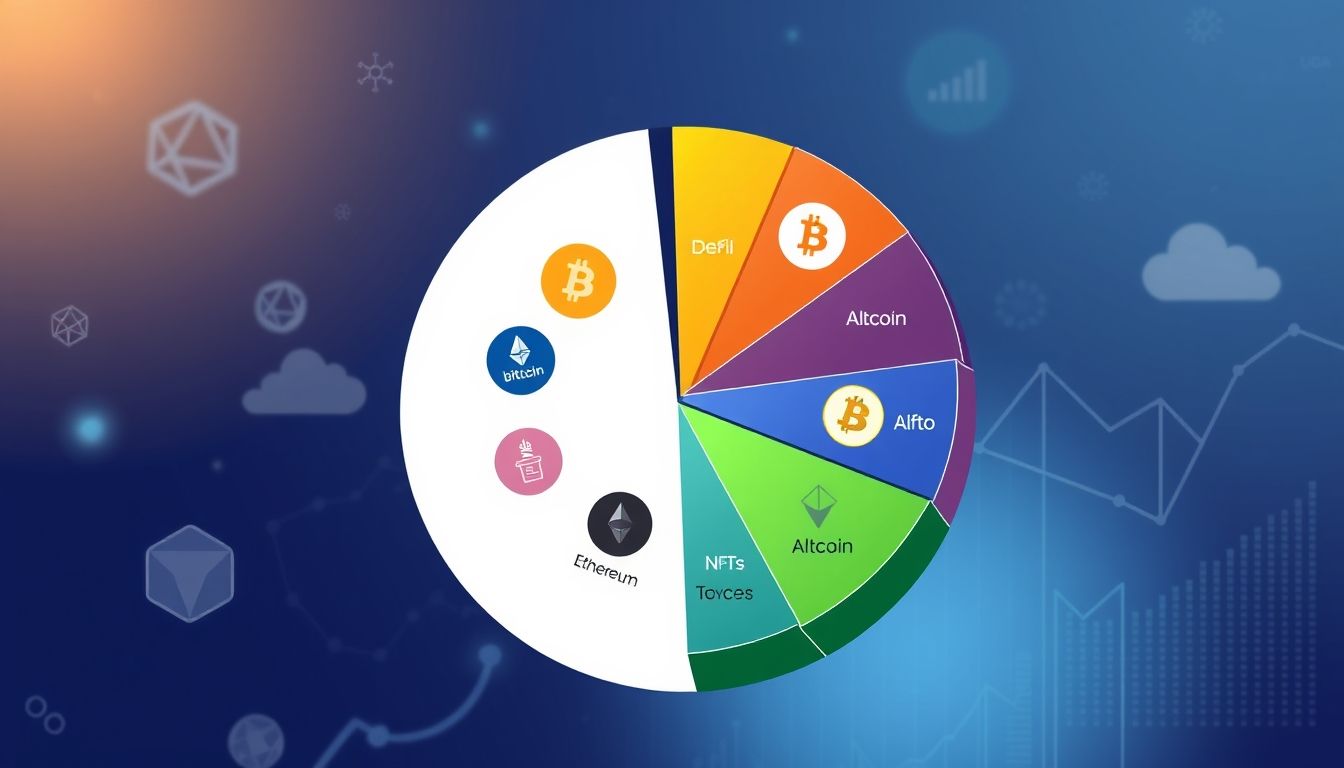
Diversification is a fundamental strategy for managing risk in any investment portfolio, including cryptocurrencies. Investors can reduce risk by investing in a variety of different cryptocurrencies, as well as other assets such as stocks, bonds, and real estate.
Chapter 5: Regulatory Risks and Their Impact on Investment
Regulatory risks are among the most important risks that investors should consider. Changes in government laws and regulations can significantly affect the value of cryptocurrencies. Investors should follow regulatory developments in the countries in which they invest.
Example: If a country bans the trading of cryptocurrencies, it could lead to a sharp decline in the value of these currencies.
Chapter 6: Cybersecurity and Protecting Digital Assets
Security risks are among the most important risks that threaten investment in cryptocurrencies. Investors should take the necessary precautions to protect their digital assets from hacking and theft. This includes using secure wallets, enabling two-factor authentication, and avoiding sharing private information with others.
Chapter 7: Assessing the Risks Associated with DeFi Projects
The decentralized finance (DeFi) sector is growing rapidly, but it also carries unique risks. Investors should carefully assess the risks associated with DeFi projects before investing in them. These risks include smart contract risks, liquidity risks, and fraud risks.
Chapter 8: The Impact of News and Media on Cryptocurrency Prices
News and media can significantly affect cryptocurrency prices. Investors should be aware of how news affects the market and avoid making investment decisions based on rumors and unconfirmed information.
Chapter 9: The Role of Technical Analysis in Risk Assessment
Technical analysis can be used to assess risks in the cryptocurrency market. Technical analysis is based on studying charts and price patterns to identify potential trends in the market. Investors can use technical analysis to identify ideal entry and exit points, and to identify support and resistance levels.
Chapter 10: Practical Tips for Managing Risk in Cryptocurrency Investment
Here are some practical tips for managing risk in cryptocurrency investment:
- Only invest what you can afford to lose.
- Diversify your investment portfolio.
- Do thorough research before investing in any cryptocurrency.
- Use secure wallets to protect your digital assets.
- Be aware of regulatory risks.
- Follow the news and media.
- Use technical analysis to assess risks.
- Be patient and don't make hasty decisions.
Disclaimer: This article is for informational purposes only and does not constitute financial advice. Investors should consult with a qualified financial advisor before making any investment decisions.