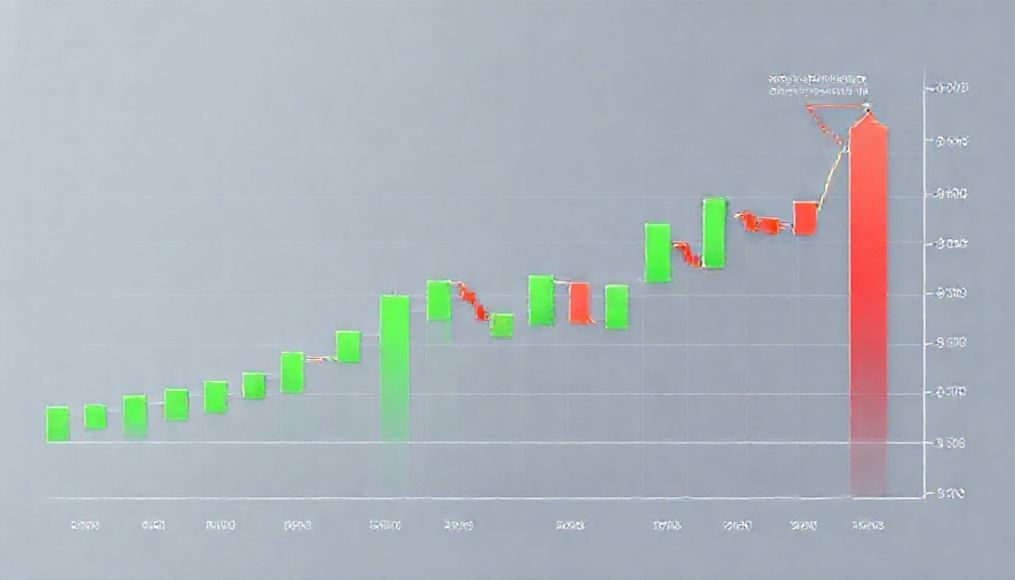
Introduction to Volume Analysis in Trading
Volume analysis is a powerful tool in the arsenal of traders and investors. Simply put, volume refers to the number of shares or contracts traded in an asset during a specific period. While traditional technical analysis focuses on price, volume analysis adds an extra dimension of information, helping to confirm trends, identify potential reversals, and assess market strength.
Chapter 1: Basics of Understanding Volume
Volume is not just a number; it represents the level of interest and participation in a particular market. High volume indicates strong interest, while low volume suggests limited interest. Understanding this fundamental relationship is the first step towards using volume analysis effectively.
What is Volume and How is it Measured?
Volume is the number of units traded (shares, contracts, cryptocurrencies, etc.) during a specific period. It is usually measured daily, but can be analyzed on shorter (hours, minutes) or longer (weeks, months) timeframes.
Different Types of Volume
- Absolute Volume: The actual number of units traded.
- Relative Volume: Comparing current volume to the previous average volume (e.g., 50-day average).
- Up/Down Volume: Measures the difference between the volume of rising stocks and falling stocks in the market as a whole.
Chapter 2: Volume and Trend Confirmation
One of the primary uses of volume analysis is to confirm the strength of existing trends. The basic rule is that strong trends should be supported by high volume.
How Does Volume Confirm Uptrends?
In an uptrend, rising prices should be accompanied by rising volume. This indicates that there is genuine buying interest driving prices higher. If prices rise but volume remains low, this may be a sign of a weak uptrend and a potential reversal.
How Does Volume Confirm Downtrends?
In a downtrend, falling prices should be accompanied by rising volume. This indicates that there is strong selling pressure driving prices lower. If prices fall but volume remains low, this may be a sign of a weak downtrend and a potential reversal.
Practical Examples from the US Market
Suppose that shares of Apple (AAPL) are rising in price and this is accompanied by a significant increase in trading volume. This reinforces confidence in the continuation of the uptrend. Conversely, if the price rises with weak trading volume, this may be a warning of a potential correction.
Chapter 3: Volume and Potential Reversals
Volume analysis can also provide early signals of potential reversals in trends. Large changes in volume often precede significant price movements.
Volume Signals Indicating a Bullish Reversal
- Selling Climax: A sharp drop in prices accompanied by extremely high trading volume, followed by a rapid rebound. This indicates that sellers have exhausted themselves and that buyers are starting to take control.
- Positive Divergence: When the price reaches a new low, but the volume indicator does not reach a new low, this suggests that selling pressure is fading and a bullish reversal is possible.
Volume Signals Indicating a Bearish Reversal
- Buying Climax: A sharp rise in prices accompanied by extremely high trading volume, followed by a rapid decline. This indicates that buyers have exhausted themselves and that sellers are starting to take control.
- Negative Divergence: When the price reaches a new high, but the volume indicator does not reach a new high, this suggests that buying pressure is fading and a bearish reversal is possible.
Case Study: Amazon (AMZN) Stock
In the past, Amazon (AMZN) stock has experienced several selling and buying climaxes that were accompanied by significant changes in volume, leading to significant trend reversals.
Chapter 4: Common Volume Indicators
There are several technical indicators that use volume as a key input. These indicators can help filter out noise and provide clearer signals.
On Balance Volume (OBV)
OBV is a cumulative indicator that adds volume during up days and subtracts it during down days. OBV helps to determine whether volume is confirming or contradicting the current trend.
Money Flow Index (MFI)
MFI is a momentum indicator that takes into account both price and volume. MFI can help identify potential overbought and oversold conditions.
Accumulation/Distribution Line (A/D)
A/D is an indicator that measures the cumulative flow of money into and out of an asset. A/D helps to determine whether an asset is being accumulated (bought) or distributed (sold).
Chapter 5: Volume-Based Trading Strategies
Volume analysis can be incorporated into many different trading strategies. Here are some examples:
Volume-Supported Breakout Strategy
Look for stocks that break through key resistance or support levels. The breakout should be accompanied by a significant increase in volume to confirm the validity of the breakout.
Volume-Supported Reversal Strategy
Look for stocks that show signs of a potential reversal (such as a selling or buying climax). The reversal should be accompanied by a significant increase in volume to confirm the strength of the reversal.
Volume-Supported Divergence Strategy
Look for stocks that show divergence between price and volume. The divergence should be accompanied by an increase in volume to confirm the potential for a trend reversal.
Chapter 6: Risk Management Using Volume
Volume analysis can also help with risk management. Volume can provide early signals about when to exit a trade or reduce its size.
Using Volume to Determine Stop-Loss Levels
If you are in a long position and see a drop in prices accompanied by a significant increase in volume, this may be a sign that the uptrend is fading and you should place a stop-loss order.
Using Volume to Determine Profit Targets
If you are in a long position and see a rise in prices accompanied by a decrease in volume, this may be a sign that the uptrend is nearing its end and you should start taking profits.
Chapter 7: Common Mistakes in Volume Analysis and How to Avoid Them
Although volume analysis is a powerful tool, it is important to avoid common mistakes that can lead to poor trading decisions.
Relying on Volume Alone
Do not rely on volume alone to make trading decisions. Volume analysis should always be combined with other technical tools and indicators.
Ignoring Context
Consider the overall market context when analyzing volume. News and economic events can significantly impact volume.
Not Considering Time Zone Differences
Trading volume can vary significantly between different sessions. Consider time zone differences when comparing volume between different markets.
Chapter 8: Volume in Different Markets
Volume analysis can be applied to a wide range of markets, including:
Stocks
Volume analysis is very common in stock trading. It can help confirm trends, identify potential reversals, and assess market strength.
Foreign Exchange (Forex)
In the Forex market, volume represents the total number of transactions that take place during a specific period. Volume analysis can help identify key support and resistance levels.
Cryptocurrencies
Volume analysis is particularly important in the volatile cryptocurrency market. It can help identify potential pump and dump schemes.
Chapter 9: Tools and Resources for Volume Analysis
There are many tools and resources available to help traders analyze volume effectively.
Trading Platforms
Most leading trading platforms provide volume data and built-in volume indicators.
Financial Websites
Many financial websites provide historical volume data and analysis.
Analytical Software
There are many specialized analytical software programs that provide advanced tools for volume analysis.
Chapter 10: Advanced Tips for Volume Analysis
For more experienced traders, here are some advanced tips for volume analysis:
Volume Spread Analysis (VSA)
VSA is a technical analysis technique that focuses on the relationship between price, volume, and spread (the difference between the highest and lowest price). VSA can help identify points of strength and weakness in the market.
Elliott Wave Analysis and Volume
Volume analysis can be combined with Elliott Wave analysis to confirm the validity of waves and identify potential reversals.
Volume Analysis in Multiple Timeframes
Analyzing volume in multiple timeframes can provide a more comprehensive view of the market and help identify long-term trends.
Conclusion: Volume analysis is a valuable tool that can significantly enhance the accuracy of your trading decisions. By understanding the basics of volume, its impact on trends, and how to use it with other indicators, you can gain a competitive edge in the financial markets.