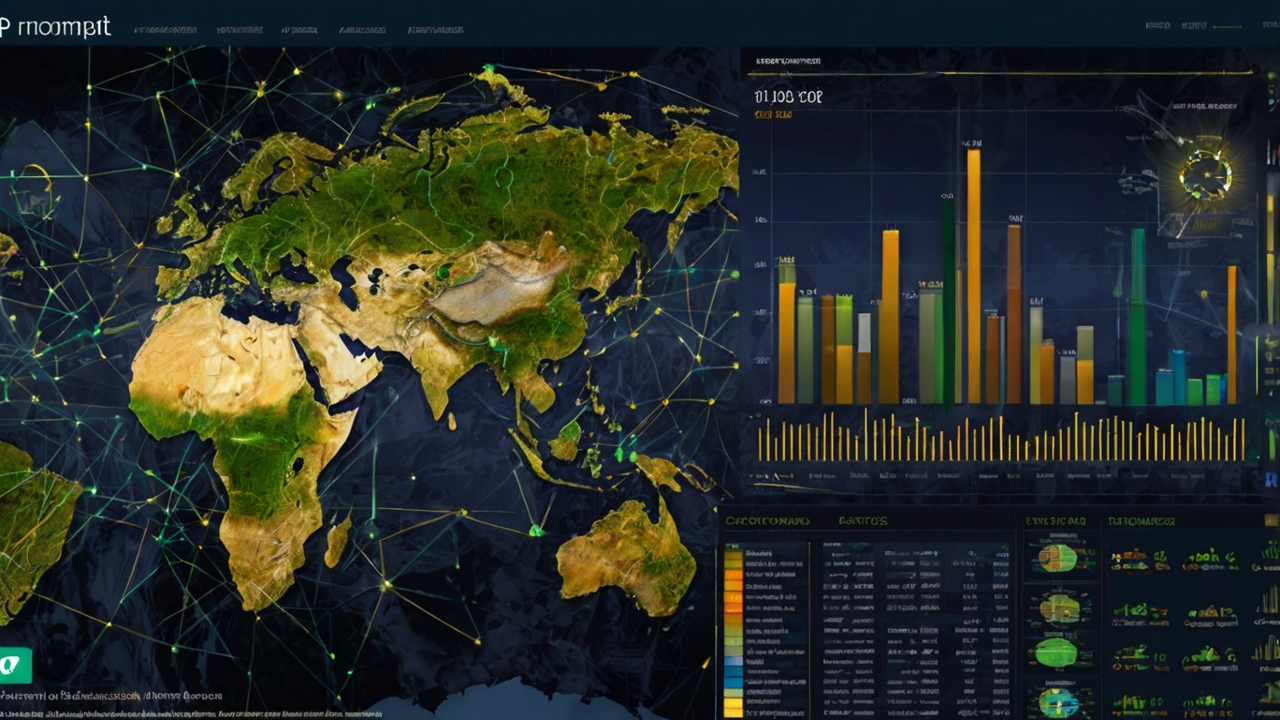
Introduction: Geopolitical Crises and Their Impact on Markets
Global financial markets are experiencing increasing volatility due to successive geopolitical crises. From regional conflicts to trade tensions, these events significantly impact investor confidence and the performance of various assets. In this article, we will review effective investment strategies that help investors protect their capital and achieve meaningful returns in these turbulent conditions.
Chapter 1: Understanding Geopolitical Risks and Their Types
Geopolitical risks include a wide range of events that may affect financial markets. Among these risks are:
- Military Conflicts: Wars and armed conflicts lead to economic instability and disrupt supply chains.
- Trade Tensions: Trade wars and tariffs affect companies involved in international trade.
- Economic Sanctions: Sanctions imposed on countries may hinder foreign investments and affect currency values.
- Political Instability: Coups and popular protests may lead to changes in economic policies.
- Terrorism: Terrorist attacks affect consumer confidence and hinder investments.
Understanding these risks is the first step towards developing an effective investment strategy.
Chapter 2: Investment Diversification as a Risk Mitigation Tool
Investment diversification is a fundamental strategy for reducing risk. Instead of putting all your money into one asset, distribute it across a variety of assets such as:
- Stocks: Invest in stocks of companies from various sectors and countries.
- Bonds: Government and corporate bonds provide a steady income and reduce portfolio volatility.
- Real Estate: Real estate is considered a safe haven in times of crisis.
- Commodities: Gold, oil, and other metals can maintain their value during times of inflation and instability.
- Currencies: Investing in foreign currencies can protect against fluctuations in the value of the local currency.
Example: During the global financial crisis in 2008, those who diversified their investment portfolios were less likely to experience significant losses.
Chapter 3: Investing in Safe Haven Assets
In times of crisis, investors turn to safe haven assets that maintain or increase their value. Among these assets are:
- Gold: Gold is considered a traditional safe haven in times of crisis.
- Government Bonds: Government bonds of stable countries are considered a safe investment.
- Strong Currencies: The US dollar, Swiss franc, and Japanese yen are considered strong currencies and safe havens.
Example: During the COVID-19 pandemic, gold prices rose sharply as investors sought safe haven assets.
Chapter 4: Investing in Defensive Companies
Defensive companies are companies that provide essential products and services that are not significantly affected by economic crises. Among these companies are:
- Food Companies: People need to eat regardless of economic conditions.
- Healthcare Companies: Healthcare is essential regardless of economic conditions.
- Utilities Companies: Electricity, water, and gas are essential for daily life.
Example: During economic crises, defensive stocks tend to perform better than other stocks.
Chapter 5: Investing in Emerging Markets
Although emerging markets may be more vulnerable to geopolitical risks, they also offer opportunities for growth. Investors should be cautious and choose emerging markets that have political and economic stability.
Example: Countries like India, Indonesia, and Vietnam have growing economies and young populations that can drive economic growth.
Chapter 6: Hedging Risks Using Financial Derivatives
Financial derivatives such as options and futures can be used to hedge risks. For example, investors can buy put options to protect their investment portfolios from a decline in stock value.
Warning: Financial derivatives are complex and can be risky. Investors should understand them well before using them.
Chapter 7: Managing Cash Liquidity
Maintaining a sufficient level of cash liquidity is essential in times of crisis. Cash can be used to buy assets at low prices or to cover unexpected expenses.
Example: During financial crises, investors with sufficient cash liquidity can buy stocks at low prices and benefit from the subsequent recovery.
Chapter 8: Continuous Monitoring of Geopolitical Events
Investors should closely monitor geopolitical events and assess their impact on their investment portfolios. Reliable news sources and financial analysis can be used to make informed decisions.
Chapter 9: Consulting a Financial Advisor
If you are unsure how to manage your investments in times of crisis, it is best to consult a financial advisor. A financial advisor can help you develop a customized investment strategy that suits your goals and risk tolerance.
Chapter 10: Conclusion and Recommendations
Geopolitical crises present both a challenge and an opportunity for investors. By understanding the risks, diversifying investments, investing in safe haven assets, and managing cash liquidity, investors can protect their capital and achieve meaningful returns in these turbulent conditions.
Additional Tips:
- Be patient and do not make hasty decisions.
- Do not invest in anything you do not understand.
- Focus on long-term goals.