Introduction to Environmental, Social, and Governance (ESG) Investing
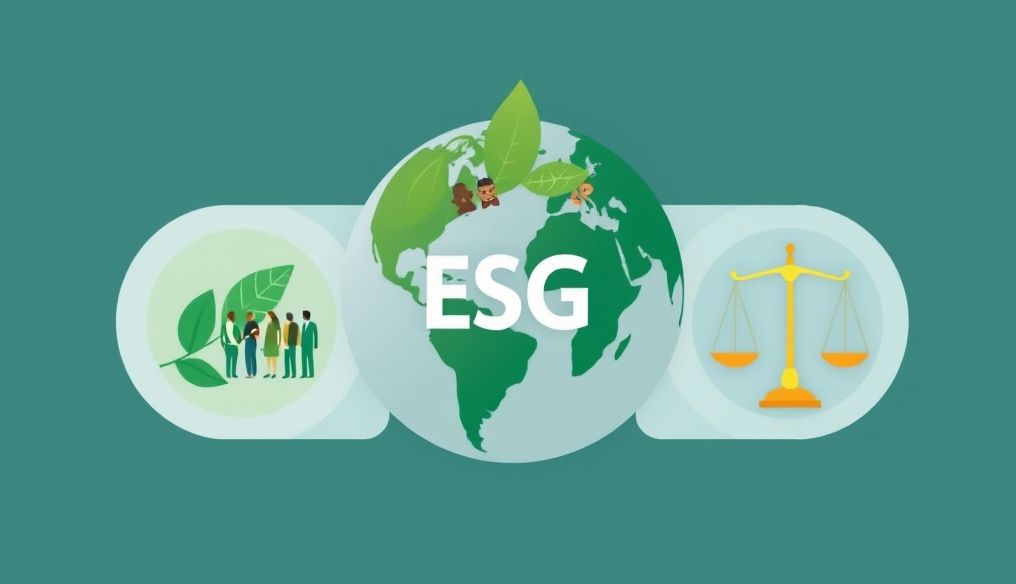
In a world increasingly aware of environmental, social, and governance (ESG) challenges, ESG investing is emerging as an investment approach that aims to achieve sustainable financial returns while making a positive impact on society and the environment. Investing is no longer just a pursuit of profit; it has become a powerful tool for positive change.
What is ESG Investing?
ESG investing is an investment approach that considers environmental, social, and governance factors alongside traditional financial factors when making investment decisions. Investors who adopt this approach aim to invest in companies and organizations that embrace sustainable and responsible practices.
Why Does ESG Investing Matter?
- Sustainable Financial Returns: Studies have shown that companies with strong ESG practices are often more resilient and adaptable to challenges, leading to better financial performance in the long run.
- Positive Impact: ESG investing allows investors to support companies that are working to solve environmental and social problems, such as climate change, inequality, and human rights.
- Risk Management: ESG factors help identify and assess potential risks that may affect companies' performance, such as environmental, regulatory, and social risks.
- Growing Demand: Investors and consumers are increasingly interested in sustainability and social responsibility, which is increasing demand for companies with good ESG practices.
Chapter 1: Understanding the Three Pillars of ESG Investing
ESG investing consists of three main pillars:
1. Environmental Pillar
This pillar focuses on companies' impact on the environment, including:
- Greenhouse gas emissions
- Energy and water consumption
- Waste management and pollution
- Biodiversity conservation
Examples: Investing in renewable energy companies, companies that are working to reduce their carbon footprint, or companies that adopt sustainable agricultural practices.
2. Social Pillar
This pillar focuses on companies' relationships with their employees, customers, and the communities in which they operate, including:
- Working conditions and labor rights
- Diversity and inclusion
- Occupational safety and health
- Community relations
- Consumer protection
Examples: Investing in companies that offer fair wages and safe working conditions, companies that support diversity and inclusion, or companies that contribute to the development of local communities.
3. Governance Pillar
This pillar focuses on how companies are managed and organized, including:
- Board of directors structure
- Transparency and accountability
- Anti-corruption
- Shareholder rights
Examples: Investing in companies that have independent boards of directors, companies that adopt transparent and accountable practices, or companies that protect shareholder rights.
Chapter 2: ESG Investing Strategies
There are several strategies that investors can use to integrate ESG factors into their investment decisions:
- Negative Screening: Excluding companies that operate in sectors considered socially or environmentally irresponsible, such as the tobacco, weapons, or fossil fuel industries.
- Positive Screening: Selecting companies that excel in ESG practices in specific sectors.
- Impact Investing: Investing in companies or projects that aim to achieve a specific and measurable positive social or environmental impact, in addition to achieving a financial return.
- ESG Integration: Integrating ESG factors into traditional financial analysis to make more informed investment decisions.
- Active Ownership: Using shareholder rights to influence companies to improve their ESG practices.
Chapter 3: Benefits of ESG Investing
ESG investing offers several benefits to investors:
- Better Financial Performance: Studies have shown that companies with strong ESG practices are often more profitable and less prone to risks. For example, a study by MSCI found that companies with higher ESG ratings outperformed those with lower ratings in the long run.
- Risk Reduction: ESG factors help identify and assess potential risks that may affect companies' performance, such as environmental, regulatory, and social risks.
- Improved Reputation: Investing in socially and environmentally responsible companies contributes to improving the investor's reputation and attracting more customers and employees.
- Positive Impact on Society and the Environment: ESG investing allows investors to support companies that are working to solve environmental and social problems, contributing to building a better future.
Chapter 4: Challenges of ESG Investing
Despite the many benefits, ESG investing faces some challenges:
- Data Scarcity: It can be difficult to obtain reliable and comparable ESG data across different companies.
- Self-Assessment: Some companies rely on self-assessment of their ESG practices, which may mislead investors.
- Greenwashing: Some companies may claim to adopt good ESG practices, while in reality they do not.
- Difficulty in Measurement: It can be difficult to measure the social and environmental impact of investments.
Chapter 5: Tools and Resources for ESG Investing
There are many tools and resources available to investors who want to integrate ESG factors into their investment decisions:
- ESG Rating Agencies: ESG rating agencies, such as MSCI, Sustainalytics, and Bloomberg, provide assessments of companies based on their performance in ESG areas.
- ESG Exchange-Traded Funds (ETFs): ESG ETFs offer an easy way to diversify investment in companies that adopt good ESG practices.
- ESG Indices: ESG indices, such as the MSCI KLD 400 Social Index, provide a benchmark for measuring the performance of ESG investments.
- Online Investment Platforms: Some online investment platforms offer tools and resources to help investors choose investments that align with their values.
Chapter 6: ESG Investing in the Arab World
ESG investing is experiencing increasing growth in the Arab world, driven by growing awareness of environmental and social challenges and the desire of investors to make a positive impact. However, ESG investing is still in its early stages in the region and faces some challenges:
- Lack of Awareness: Many investors in the Arab world are still unaware of the benefits of ESG investing.
- Data Scarcity: It can be difficult to obtain reliable and comparable ESG data for companies in the region.
- Regulatory Constraints: Regulations related to ESG investing are still limited in many Arab countries.
Examples of ESG Investing Initiatives in the Arab World:
- Saudi Arabia's Public Investment Fund (PIF): The Saudi Public Investment Fund focuses on investing in sustainable projects that contribute to achieving Vision 2030.
- Future Investment Initiative (FII): The Future Investment Initiative brings together business leaders, investors, and policymakers to discuss the challenges and opportunities related to sustainable investment.
Chapter 7: How to Start ESG Investing
Here are some steps you can take to start ESG investing:
- Identify Your Values: What environmental and social issues do you care about?
- Research Companies That Align With Your Values: Use the available tools and resources to assess companies' performance in ESG areas.
- Choose the Right Investment Strategy: Do you prefer negative screening, positive screening, impact investing, or ESG integration?
- Diversify Your Investment Portfolio: Don't put all your money in one investment.
- Monitor the Performance of Your Investments: Make sure your investments are achieving sustainable financial returns and positive impact.
Chapter 8: Measuring and Evaluating the Impact of ESG Investing
Measuring and evaluating the impact of ESG investing is essential to ensure that the desired goals are achieved. There are many methods and metrics used to assess ESG impact, including:
- Key Performance Indicators (KPIs): Companies and investors use KPIs to measure progress in ESG areas, such as greenhouse gas emissions, employment rates, and employee engagement.
- Life Cycle Assessment (LCA): Life cycle assessment is used to assess the environmental impact of products and services throughout their entire life cycle.
- Social Return on Investment (SROI): Social Return on Investment measures the social and economic value generated by social investments.
Chapter 9: The Future of ESG Investing
The future of ESG investing looks promising, as it is expected to continue to grow and evolve in the coming years. Some of the key trends that are likely to shape the future of ESG investing include:
- Increased Regulation: Governments and regulatory bodies are likely to impose more regulations regarding ESG disclosure, which will help improve transparency and accountability.
- Technological Advancement: Technology will play an increasingly important role in measuring and evaluating ESG impact, which will help improve the accuracy and reliability of data.
- Increased Awareness: Investors and consumers are likely to become more aware of the importance of sustainability and social responsibility, which will increase demand for ESG investments.
Chapter 10: Tips for Investors Interested in ESG Investing
Here are some tips for investors interested in ESG investing:
- Start Small: Don't feel pressured to integrate ESG factors into all of your investments at once. Start with a small investment in an ESG company or fund and see how it goes.
- Be Patient: It may take some time to see the results of your ESG investments. Don't be discouraged if you don't see immediate returns.
- Find a Financial Advisor: A financial advisor can help you choose the ESG investments that are right for your goals and values.
- Stay Informed: Keep up with the latest news and trends in the field of ESG investing.
Conclusion:
ESG investing is not just a passing trend; it is a fundamental shift in the way we think about investing. By integrating ESG factors into our investment decisions, we can achieve sustainable financial returns and make a positive impact on society and the environment. Whether you are a beginner or an experienced investor, there are many ways to incorporate ESG investing into your investment portfolio. Start today to build a better future through your investments.