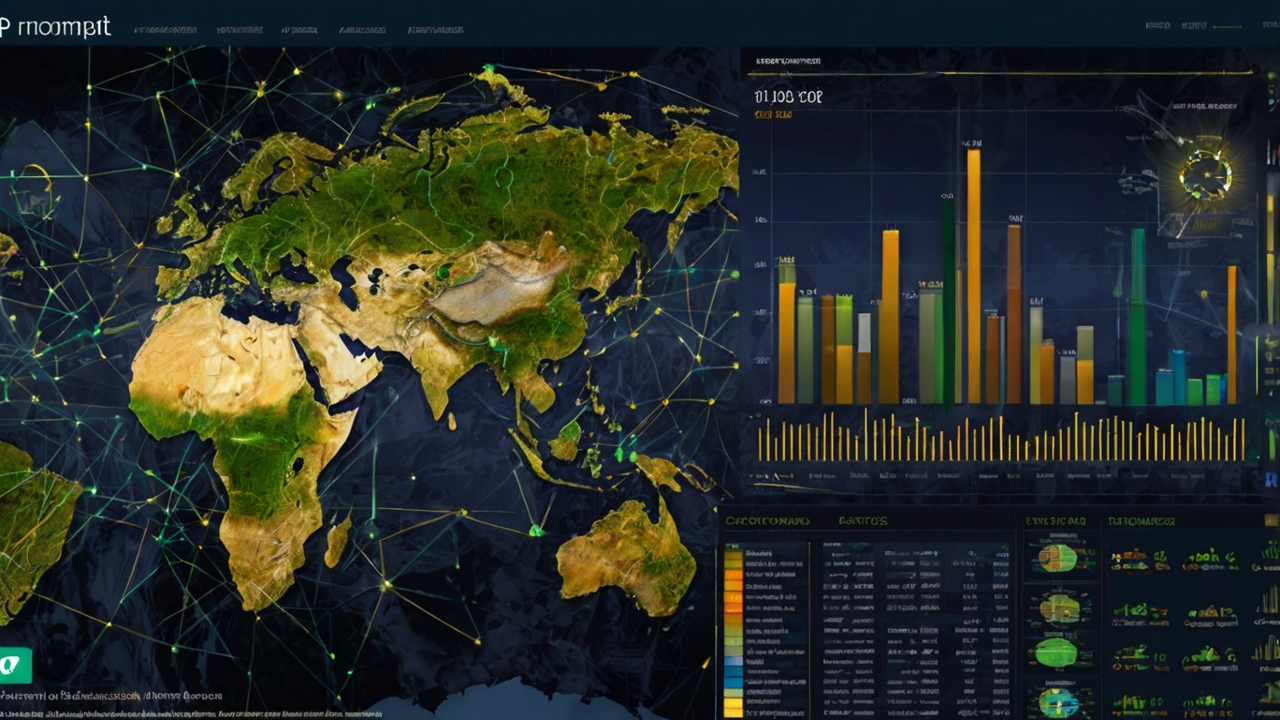
Diversification: A Gateway to Sustainable Growth in Local and Global Markets
In the ever-changing world of investing, diversification is a fundamental strategy for protecting capital and fostering long-term growth. Simply put, diversification means spreading your investments across a variety of assets, rather than putting all your eggs in one basket. This article will explore in depth the importance of diversification between local and global markets, and how investors can take advantage of the opportunities available in both areas.
Chapter 1: Why is Diversification Important?
Diversification is not just an option; it's an investment necessity. Here are some key reasons:
- Risk Reduction: By spreading investments, you can reduce the impact of any negative event on your portfolio. If one asset underperforms, other assets can offset the loss.
- Capitalizing on Growth Opportunities: Different markets go through different economic cycles. Diversification allows you to capitalize on growth opportunities in both emerging and developed markets.
- Improving Investment Returns: By selecting the right assets in different markets, you can improve the overall return on your investment.
Chapter 2: Understanding Local Markets
Investing in the local market means investing in companies and assets located in your country. This type of investment has its advantages and disadvantages:
Advantages of Investing in the Local Market:
- Better Knowledge: You often have better knowledge of local companies and the economy, making it easier to make informed investment decisions.
- Lower Costs: Investment costs in the local market are usually lower than investment costs in global markets, such as transfer fees and taxes.
- Supporting the Local Economy: By investing in local companies, you contribute to the growth of the local economy and the creation of jobs.
Disadvantages of Investing in the Local Market:
- Reliance on One Economy: If your country's economy is in a recession, all your investments may be negatively affected.
- Lack of Diversification: The local market may be limited in terms of the number and types of assets available, reducing diversification opportunities.
Chapter 3: Exploring Global Markets
Investing in global markets means investing in companies and assets located in other countries. This type of investment opens up a world of opportunities:
Advantages of Investing in Global Markets:
- Wider Diversification: You can access a variety of assets and sectors that may not be available in the local market.
- Capitalizing on Global Growth: You can benefit from economic growth in other countries, especially in emerging markets.
- Hedging Against Local Risks: If your country's economy is going through a difficult period, your investments in global markets can offset losses.
Disadvantages of Investing in Global Markets:
- Greater Complexity: It can be difficult to understand foreign markets and different laws and regulations.
- Higher Costs: Investment costs in global markets are usually higher than investment costs in the local market, such as transfer fees and taxes.
- Currency Risks: Fluctuations in exchange rates can affect the value of your investments.
Chapter 4: Building a Diversified Investment Portfolio
To build a diversified investment portfolio, you should spread your investments across a variety of assets and markets. Here are some tips:
- Define Your Investment Goals: What are you trying to achieve through investing? Are you looking for long-term growth or steady income?
- Determine Your Risk Tolerance: How much risk are you willing to take?
- Choose the Right Assets: Based on your goals and risk tolerance, choose the right assets, such as stocks, bonds, real estate, and commodities.
- Allocate Your Investments Across Local and Global Markets: Don't put all your eggs in one basket. Allocate your investments across local and global markets to reduce risk and increase growth opportunities.
- Review Your Portfolio Regularly: Make sure your portfolio is still aligned with your goals and risk tolerance. Make adjustments as needed.
Chapter 5: Practical Examples from the Arab and Global Markets
Let's look at some practical examples of how to diversify investments between local and global markets:
Example from the Arab Market:
Suppose you are a Saudi investor. You can diversify your portfolio by investing in Saudi stocks, Saudi government bonds, and real estate in Saudi Arabia. In addition, you can invest in US stocks, European bonds, and Asian stocks.
Example from the Global Market:
Suppose you are an American investor. You can diversify your portfolio by investing in US stocks, US government bonds, and real estate in the United States. In addition, you can invest in European stocks, Asian bonds, and stocks in emerging markets.
Chapter 6: Available Diversification Tools
There are many tools available to diversify your investments, including:
- Mutual Funds: These funds allow you to invest in a variety of assets through a single investment.
- Exchange-Traded Funds (ETFs): Similar to mutual funds, but they trade on the stock exchange like stocks.
- Individual Stocks: You can buy shares in different companies in local and global markets.
- Bonds: You can buy government or corporate bonds in local and global markets.
- Real Estate: You can invest in real estate in local and global markets.
Chapter 7: Risks and Challenges
Despite the benefits of diversification, it's important to be aware of the potential risks and challenges:
- Currency Risks: Fluctuations in exchange rates can affect the value of your investments in global markets.
- Political Risks: Political events in other countries can affect your investments.
- Economic Risks: Economic conditions in other countries can affect your investments.
- Difficulty of Research: It can be difficult to conduct thorough research on companies and assets in foreign markets.
Chapter 8: Practical Tips for Successful Diversification
Here are some practical tips for diversifying your investments successfully:
- Start Early: The earlier you start diversifying, the better.
- Invest Regularly: Invest a fixed amount of money regularly, regardless of market conditions.
- Be Patient: Diversification is a long-term strategy. Don't expect to see immediate results.
- Seek Professional Advice: If you are unsure how to diversify your investments, seek advice from a qualified financial advisor.
Chapter 9: Diversification and its Impact on Investment Performance
Studies show that diversification can improve investment performance in the long run. For example, a study by Vanguard found that diversified portfolios outperformed non-diversified portfolios in most time periods.
Statistical Example: Over 20 years, a diversified portfolio consisting of 60% stocks and 40% bonds outperformed a portfolio consisting of 100% stocks in 75% of the time periods.
Chapter 10: The Future of Diversification in a Changing World
In a world of economic and geopolitical volatility, diversification is more important than ever. With the emergence of new technologies such as artificial intelligence and blockchain, investment and diversification methods will change. It is important to stay informed of new developments and be prepared to adapt your investment strategy as needed.
"Don't put all your eggs in one basket." - Warren Buffett