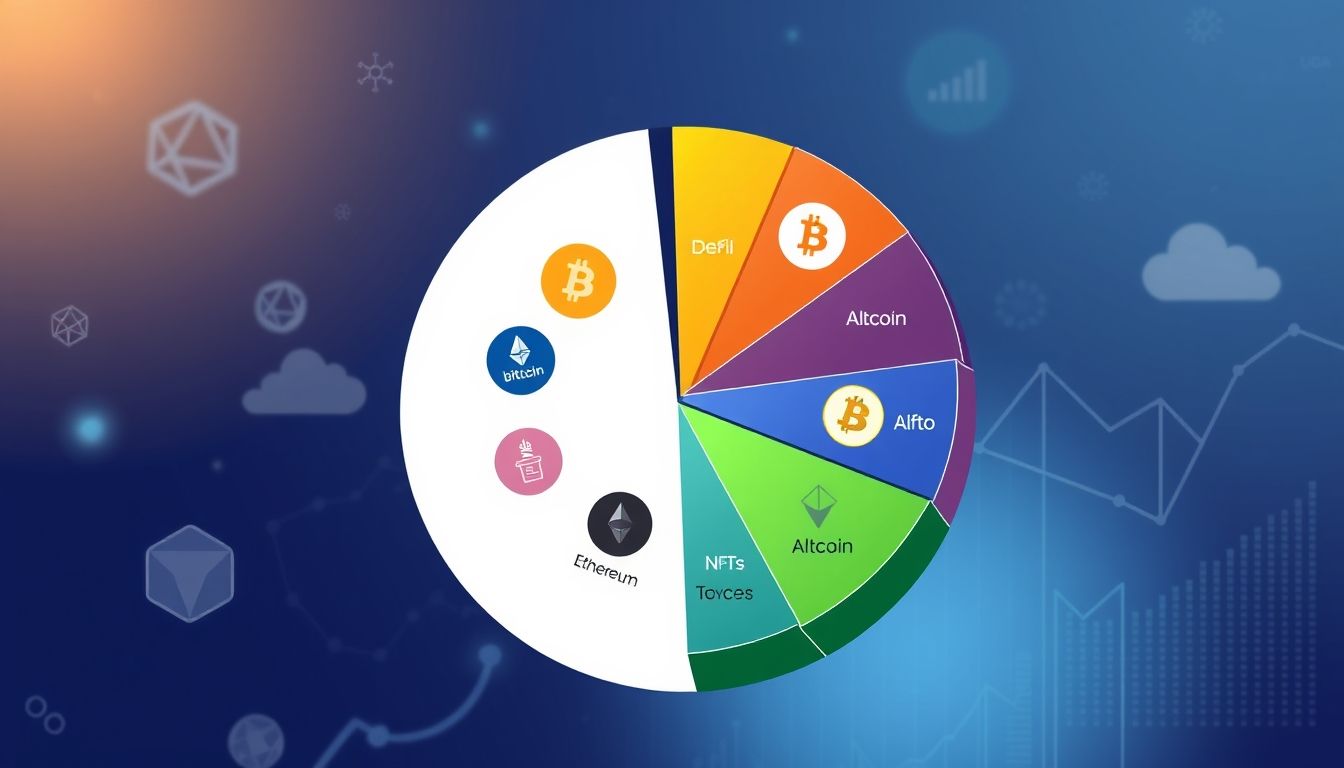
Introduction: The Dawn of a New Era
The world is witnessing a massive digital transformation, driven by the evolution of cryptocurrencies and the emergence of Web 3.0. These technologies are not just passing trends, but driving forces reshaping the future of money, the internet, and society as a whole.
Chapter 1: Cryptocurrencies: Definition and Types
What are Cryptocurrencies?
Cryptocurrencies are digital or virtual assets that use cryptography to secure transactions and control the creation of new units. They operate independently of traditional central banks, providing an alternative to the traditional financial system.
Types of Cryptocurrencies
- Cryptocurrencies: Such as Bitcoin and Ethereum, rely on decentralized blockchain technology.
- Stablecoins: Designed to maintain a stable value pegged to another asset, such as the US dollar.
- Central Bank Digital Currencies (CBDCs): Digital currencies issued and managed by central banks.
Chapter 2: Blockchain Technology: The Backbone of Cryptocurrencies
What is Blockchain?
Blockchain is a decentralized and distributed digital ledger that permanently and securely records all transactions. Each "block" contains a set of transactions and is linked to the previous block, creating an immutable chain.
Benefits of Blockchain
- Transparency: All transactions are permanently recorded and verifiable.
- Security: Strong encryption makes it extremely difficult to tamper with data.
- Decentralization: No central party controls the network.
Chapter 3: Web 3.0: The Decentralized Internet
What is Web 3.0?
Web 3.0 is the next generation of the internet, characterized by decentralization, artificial intelligence, and augmented reality. It aims to return control of data to users, rather than large corporations.
Features of Web 3.0
- Decentralization: Applications and services are built on the blockchain, reducing reliance on central servers.
- User-Owned Data: Users can control their data and use it to generate income.
- Artificial Intelligence: Using AI to improve the user experience and provide personalized services.
Chapter 4: Web 3.0 Applications in the Financial World
Decentralized Finance (DeFi)
DeFi is an open and transparent financial system based on the blockchain. It provides traditional financial services such as lending, borrowing, and trading, without the need for intermediaries.
Non-Fungible Tokens (NFTs)
NFTs are unique digital assets that represent ownership of items such as art, music, and collectibles. They provide a new way for artists and creators to monetize their work.
Chapter 5: Impact of Cryptocurrencies and Web 3.0 on the Economy
Reshaping the Financial System
Cryptocurrencies and Web 3.0 have the potential to reshape the global financial system by providing cheaper, faster, and more inclusive alternatives to traditional financial services.
Promoting Financial Inclusion
Cryptocurrencies and Web 3.0 can reach people who do not have bank accounts, contributing to promoting financial inclusion and reducing poverty.
Chapter 6: Risks and Challenges
Price Volatility
Cryptocurrencies are known for their extreme price volatility, making them a risky investment.
Fraud and Hacking
Cryptocurrencies and Web 3.0 are subject to fraud and hacking threats, requiring strong security measures.
Regulation
The legal regulation of cryptocurrencies and Web 3.0 is still unclear in many countries, creating uncertainty.
Chapter 7: The Future of Cryptocurrencies and Web 3.0
Expansion and Adoption
The use of cryptocurrencies and Web 3.0 is expected to continue to expand and become more widely adopted by companies, institutions, and individuals.
Innovation and Development
The field of cryptocurrencies and Web 3.0 will witness further innovation and development, with the emergence of new applications and use cases.
Chapter 8: Practical Examples from the Arab Market
Use of Cryptocurrencies in Financial Transfers
Some companies in the Middle East use cryptocurrencies to facilitate cross-border financial transfers, reducing costs and time.
DeFi Applications in the Arab World
Some projects have begun developing DeFi applications tailored to the Arab market, such as decentralized lending and borrowing platforms.
Chapter 9: Practical Tips for Investors
Conduct Research and Analysis
Before investing in cryptocurrencies, conduct thorough research and analysis to understand the potential risks and rewards.
Diversify Investments
Diversify investments in cryptocurrencies to reduce risk.
Beware of Fraud
Be wary of fraud and scams in the cryptocurrency space.
Chapter 10: Conclusion
Cryptocurrencies and Web 3.0 represent a real revolution in the world of finance and the internet. Despite the risks and challenges, these technologies have the potential to change the world for the better. By understanding these technologies and making informed investment decisions, investors can capitalize on the opportunities offered by this revolution.