Introduction to Online Trading in the Middle East and North Africa
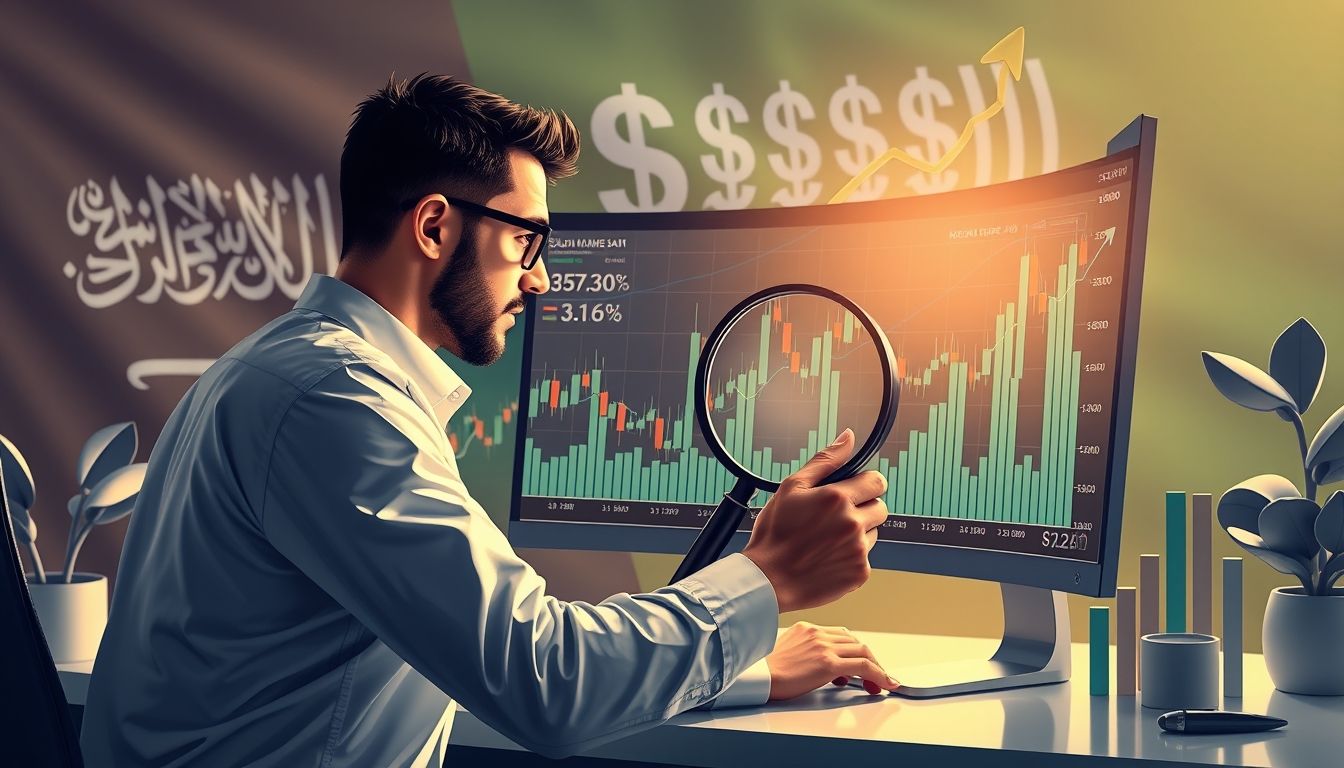
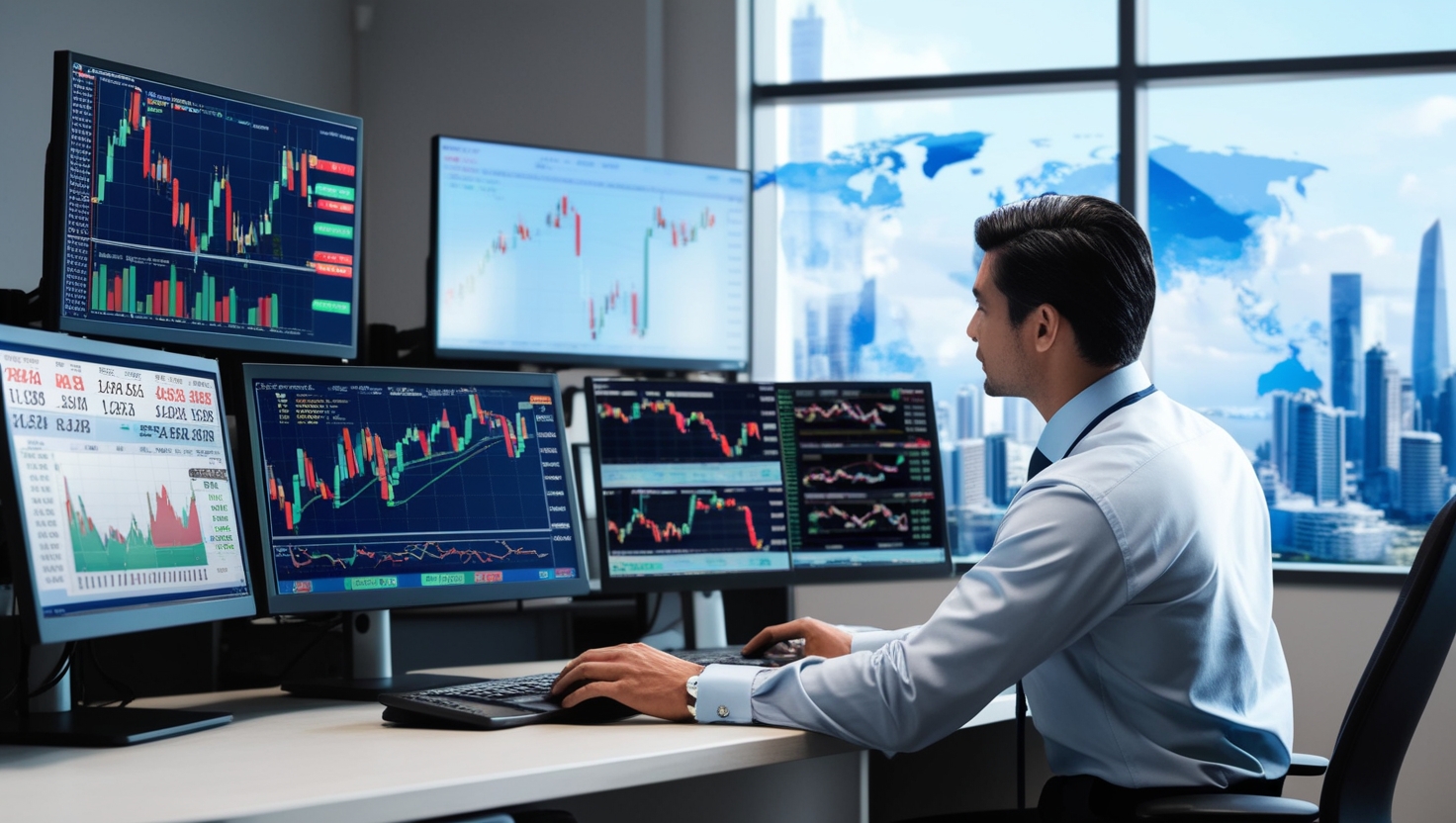
The online trading sector is experiencing significant growth in the Middle East and North Africa, driven by increased financial awareness, easy access to the internet, and the availability of a diverse range of investment tools. However, choosing the right platform can be a daunting task given the multitude of options available.
Chapter 1: Criteria for Choosing the Right Online Trading Platform
When selecting an online trading platform, several important factors should be considered:
- Licensing and Regulation: Ensure the platform is licensed and regulated by reputable regulatory bodies.
- Available Assets: Check the availability of the assets you wish to trade (stocks, currencies, commodities, indices, etc.).
- Fees and Commissions: Compare the fees and commissions charged by the platform on trading, withdrawal, and deposit transactions.
- User Interface and Ease of Use: Ensure the user interface is easy to use and suitable for both beginners and professionals.
- Technical Analysis Tools: Availability of advanced technical analysis tools to help you make informed trading decisions.
- Customer Service: Availability of fast and efficient customer service to answer your inquiries and resolve your problems.
- Security: Ensure the platform uses strong security measures to protect your funds and personal data.
Chapter 2: Overview of Prominent Online Trading Platforms in the Region
Here is an overview of some of the most prominent online trading platforms available in the Middle East and North Africa:
- eToro: A popular social trading platform that allows users to copy the trades of successful traders.
- AvaTrade: A global broker offering a wide range of assets and trading tools.
- IG: A leading trading platform providing access to global markets.
- XTB: A licensed European broker offering a powerful trading platform.
- Plus500: An easy-to-use CFD (Contracts for Difference) trading platform.
Chapter 3: Detailed Analysis of eToro
eToro is among the most well-known and popular trading platforms in the world, thanks to its unique features that make it attractive to both beginners and professionals.
Pros:
- Social Trading: Allows you to copy the trades of successful traders.
- Wide Range of Assets: Provides access to stocks, currencies, commodities, indices, and cryptocurrencies.
- Easy-to-Use User Interface: Makes trading simple and straightforward.
- Free Demo Account: Allows you to try the platform before depositing real money.
Cons:
- Higher Fees: Fees may be higher compared to some other platforms.
- Focus on Social Trading: May not be suitable for traders who prefer to make their own decisions.
Chapter 4: Detailed Analysis of AvaTrade
AvaTrade is a licensed and regulated global broker offering a wide range of assets and trading tools.
Pros:
- Wide Range of Assets: Provides access to stocks, currencies, commodities, indices, and bonds.
- Multiple Trading Platforms: Offers different trading platforms to meet the needs of different traders.
- Excellent Technical Support: Provides 24/7 technical support.
- Free Demo Account: Allows you to try the platform before depositing real money.
Cons:
- Minimum Deposit: The minimum deposit may be high for some traders.
- Hidden Fees: There may be some hidden fees that you should be aware of.
Chapter 5: Detailed Analysis of IG
IG is a leading trading platform providing access to global markets.
Pros:
- Access to Global Markets: Provides access to a wide range of global markets.
- Advanced Trading Tools: Offers advanced trading tools for professionals.
- Market Research: Provides in-depth market research and analysis.
Cons:
- Complex Interface: The user interface may be complex for beginners.
- High Fees: Fees may be higher compared to some other platforms.
Chapter 6: Platform Comparison in Terms of Fees and Commissions
Fees and commissions are among the most important factors to consider when choosing an online trading platform. Here is a comparison of the fees and commissions charged by some of the platforms mentioned:
| Platform | Trading Fees | Withdrawal and Deposit Fees | Other Fees |
|---|---|---|---|
| eToro | Varies by asset | Withdrawal fees | Inactivity fees |
| AvaTrade | Varies by asset | No withdrawal or deposit fees | Inactivity fees |
| IG | Varies by asset | No withdrawal or deposit fees | Inactivity fees |
Chapter 7: The Importance of Diversification in Investment Through Trading Platforms
Diversification is a fundamental strategy for managing risk in investing. By spreading your investments across a variety of assets and markets, you can reduce the impact of any potential losses on your overall investment portfolio.
"Don't put all your eggs in one basket." - A common saying in the world of investing.
Chapter 8: Tips for Beginners in Online Trading
If you are a beginner in online trading, here are some tips that can help you get started:
- Start with a Small Amount: Don't invest more than you can afford to lose.
- Learn the Basics of Trading: Before you start trading, learn the basics of technical and fundamental analysis.
- Use a Demo Account: Practice trading using a demo account before depositing real money.
- Be Patient: Trading takes time and effort to succeed.
- Don't Let Emotions Control Your Decisions: Make rational trading decisions based on analysis and research.
Chapter 9: The Future of Online Trading in the Region
The online trading sector is expected to continue to grow in the Middle East and North Africa in the coming years, driven by technological innovations and increased financial awareness. We are also expected to see the emergence of more new platforms offering innovative services.
Chapter 10: Conclusion and Recommendations
Choosing the right online trading platform depends on your individual investment needs and goals. Before making a decision, conduct thorough research and compare the available options. Remember that trading involves risks, so be careful and invest wisely.
Disclaimer: This article is for informational purposes only and does not constitute financial advice. Consult a qualified financial advisor before making any investment decisions.